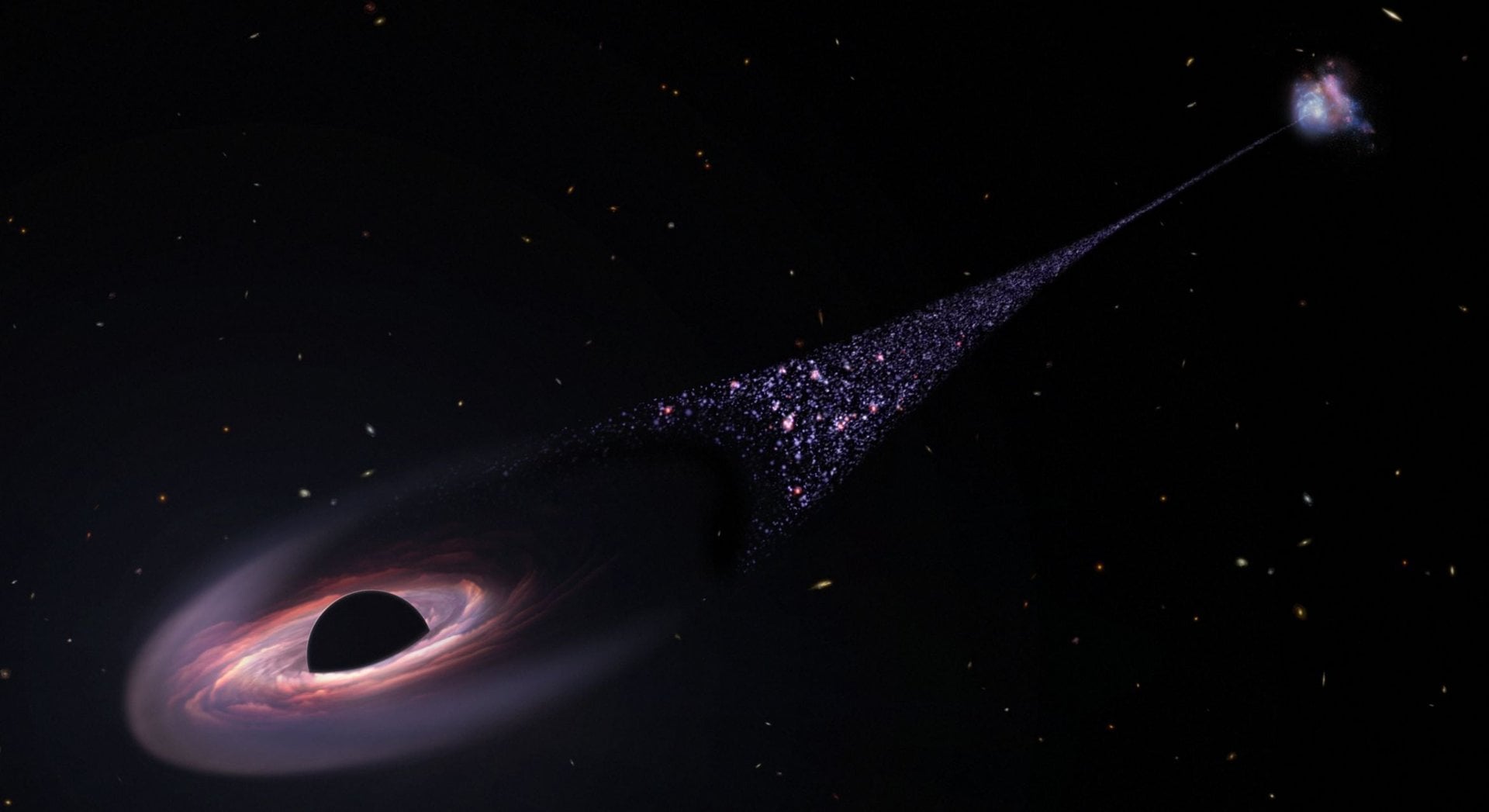
Researchers at UCSB and UT Austin have determined that a galactic merger kicked a supermassive black hole into intergalactic space.
Continue reading
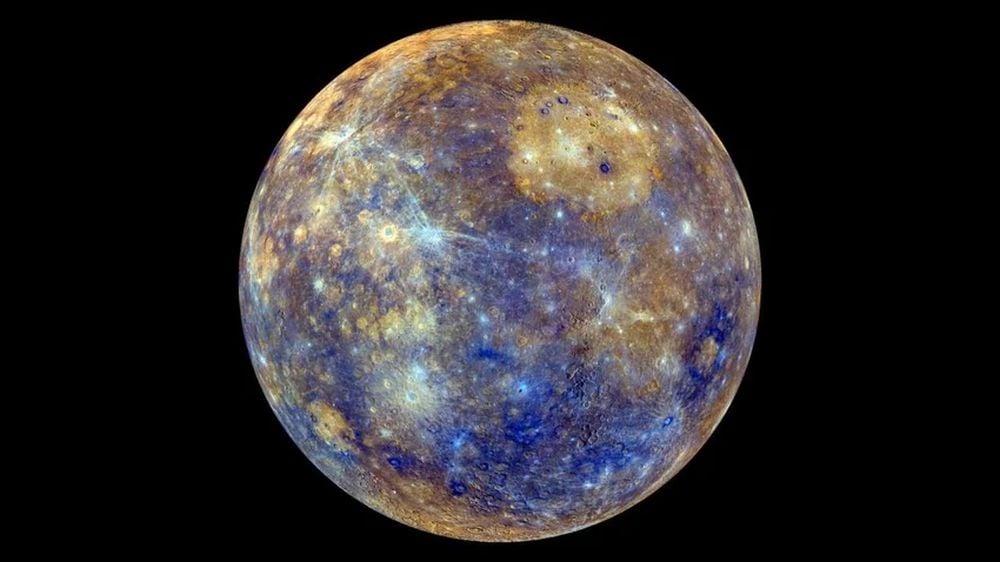
Researchers have figured out how to use lunar samples to determine the nature of volcanic activity on ancient Mercury. It's all based on SiO2, or silicon dioxide. Its abundance in a planet's crust reveals a lot about magma and volcanic activity.
Continue reading
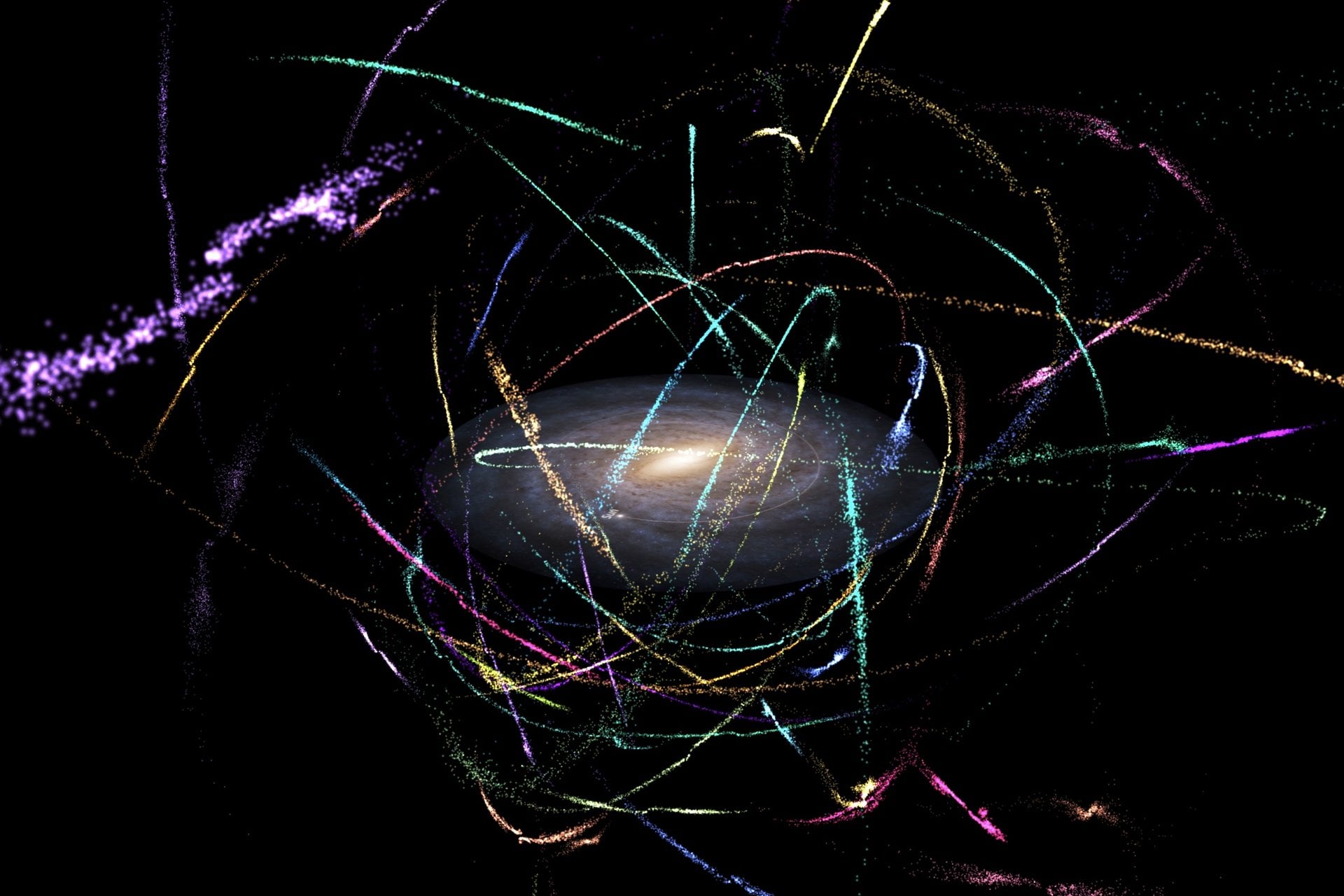
Astronomers study dark matter through simulations of stellar streams around the Milky Way. They found that kinks and clumps within these streams aren't caused by dark matter clusters within the galactic halo.
Continue reading
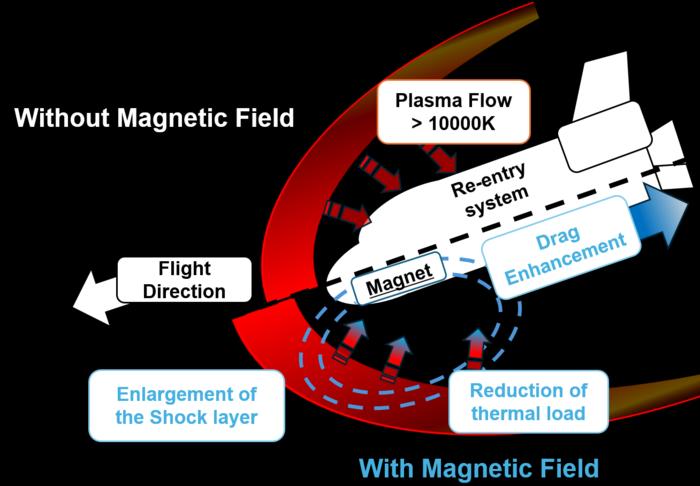
Spacecraft famously have small bits of them disintegrate on reentry. That’s by design, as it is one of the easiest solutions to absorbing the incredible amounts of energy they experience. However, it also results in long turn around times while these heat shields are repaired, and the shields themselves act as “dead weight” limiting payload capacity. With the increased focus on reusable rockets, and the emphasis on payload capacity, engineers have been looking for alternative solutions to the reentry problem - and the one of the most promising is known as magnetohydrodynamic (MHD) braking. A new paper from researchers at the Tokyo Metropolitan University describes a new test setup that should help designers of these advanced braking systems truly capture what their system is doing upon reentry.
Continue reading
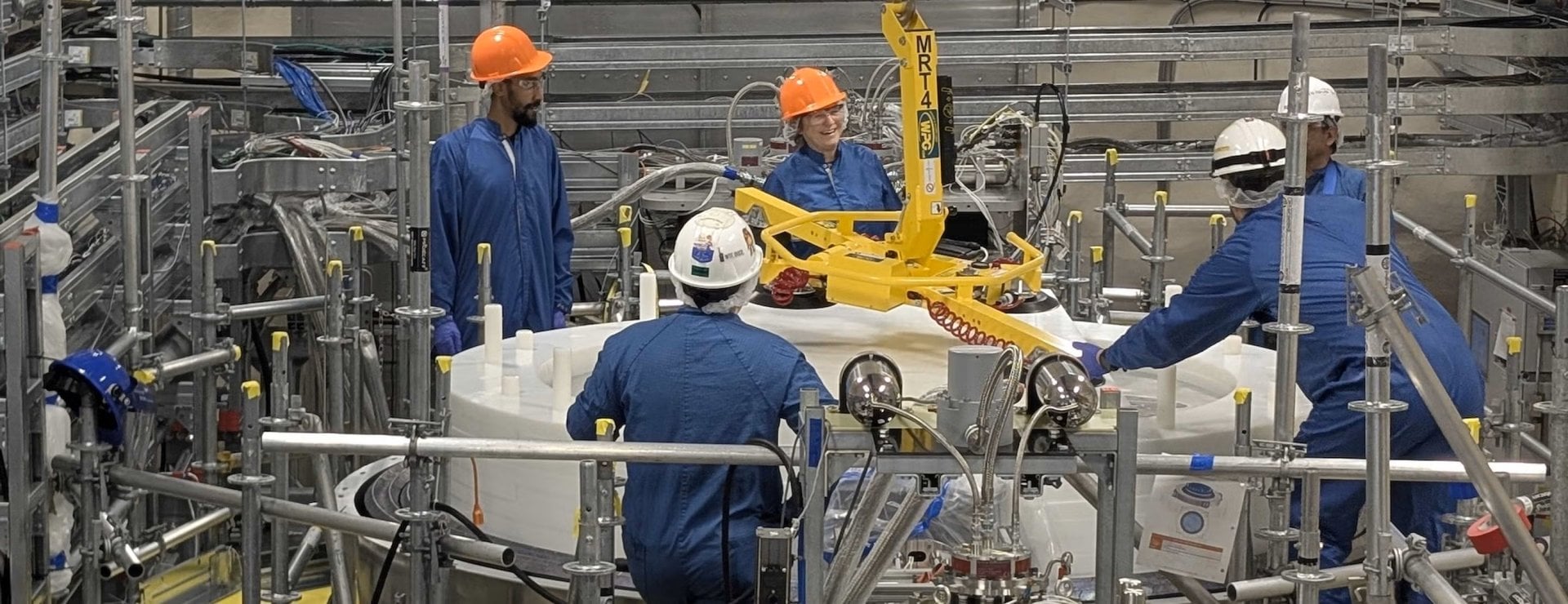
The search for dark matter has reached another milestone - in this case the start of science for one of the world’s newest detectors. The Super Cryogenic Dark Matter Search (SuperCDMS) SNOLAB just began its scientific operations in Ontario, and over the course of the next few years, hope to find direct evidence of “light” dark matter for the first time.
Continue reading
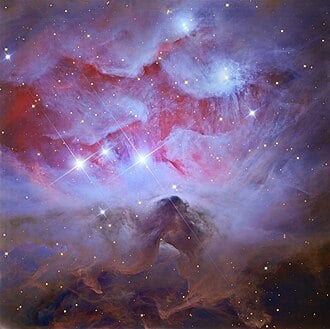
Keeping track of time in the universe is a difficult task. It’s constantly evolving and changing, and studying events that happened billions of years ago, while possible, isn’t exactly easy. A recent paper in the Monthly Notices of the Royal Astronomical Society from astronomers at The Ohio State University has unlocked a whole new way to tell time in space by using a new, perhaps unexpected element - manganese.
Continue reading
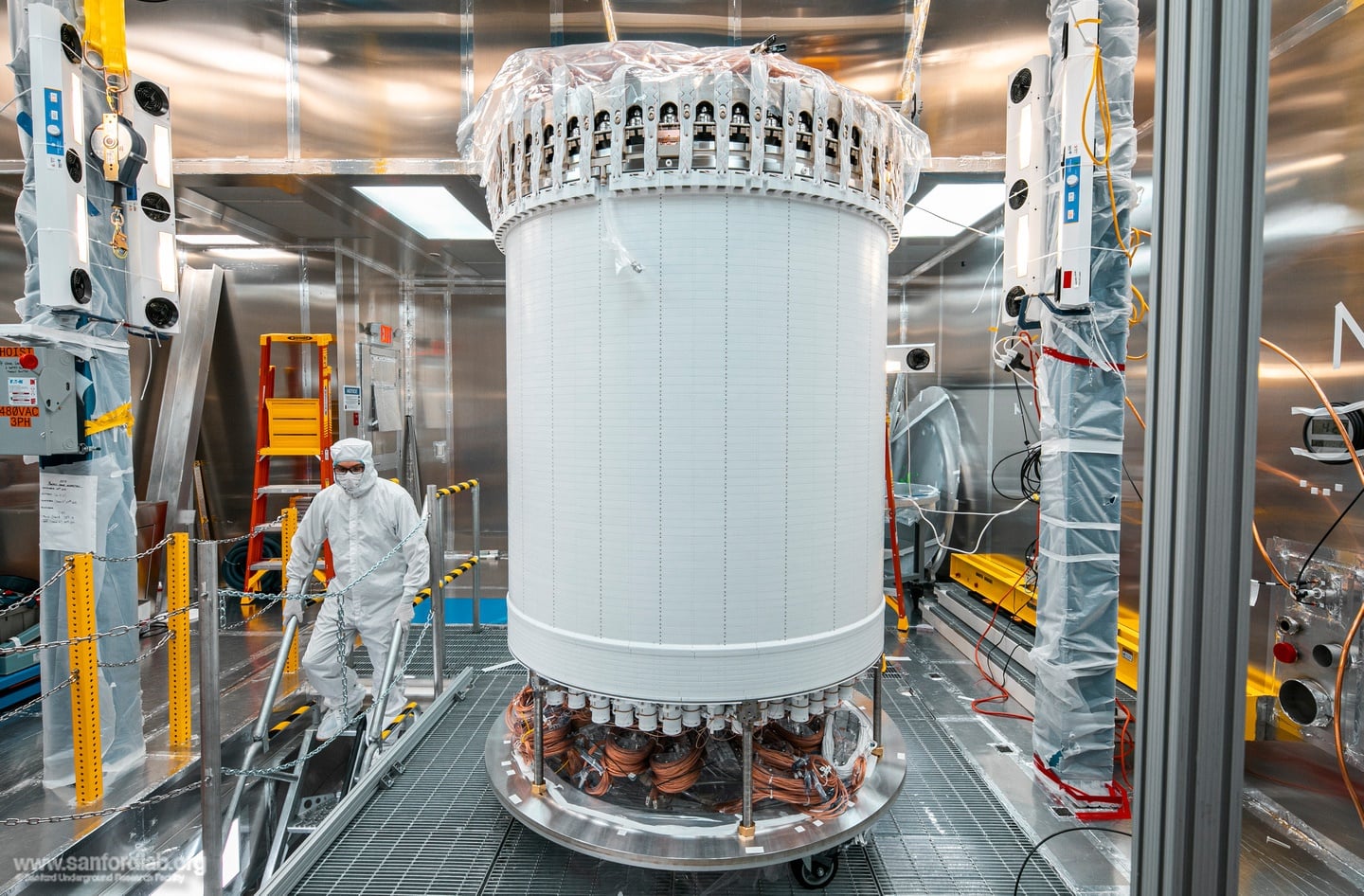
Dark matter is the invisible stuff that accounts for roughly 85% of the mass in the universe, and for decades, physicists have been trying to figure out what it's made of. Now an experimental facility located nearly a mile below ground in South Dakota has recorded a single interaction between subatomic particles that doesn't match what's expected from normal matter. Has a dark-matter particle been detected at last? It's too early to say, but the anomaly is definitely attracting attention from dark-matter detectives.
Continue reading
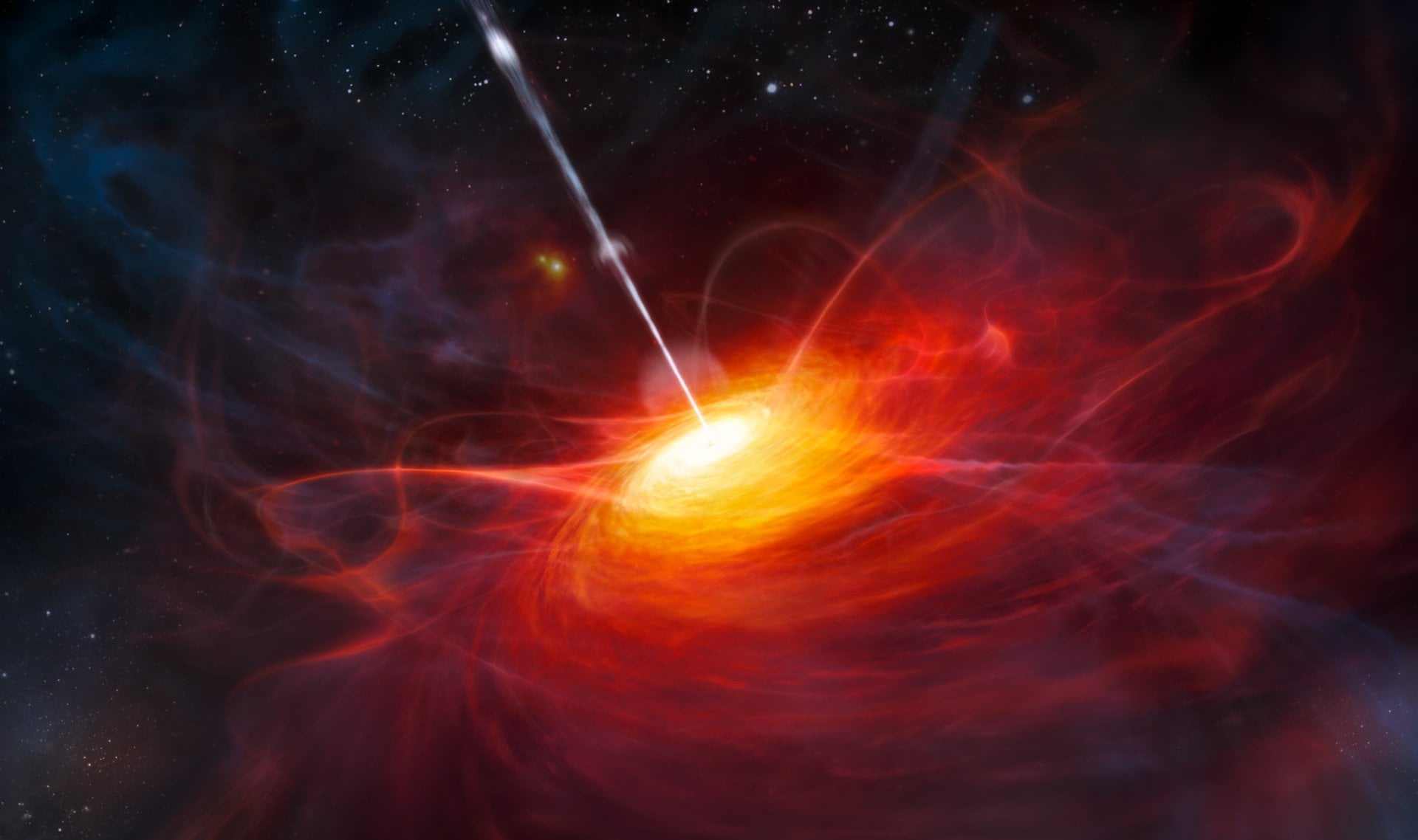
Extreme quasars near the dawn of time are giving astrophysicists clues to the formation of supermassive black holes.
Continue reading
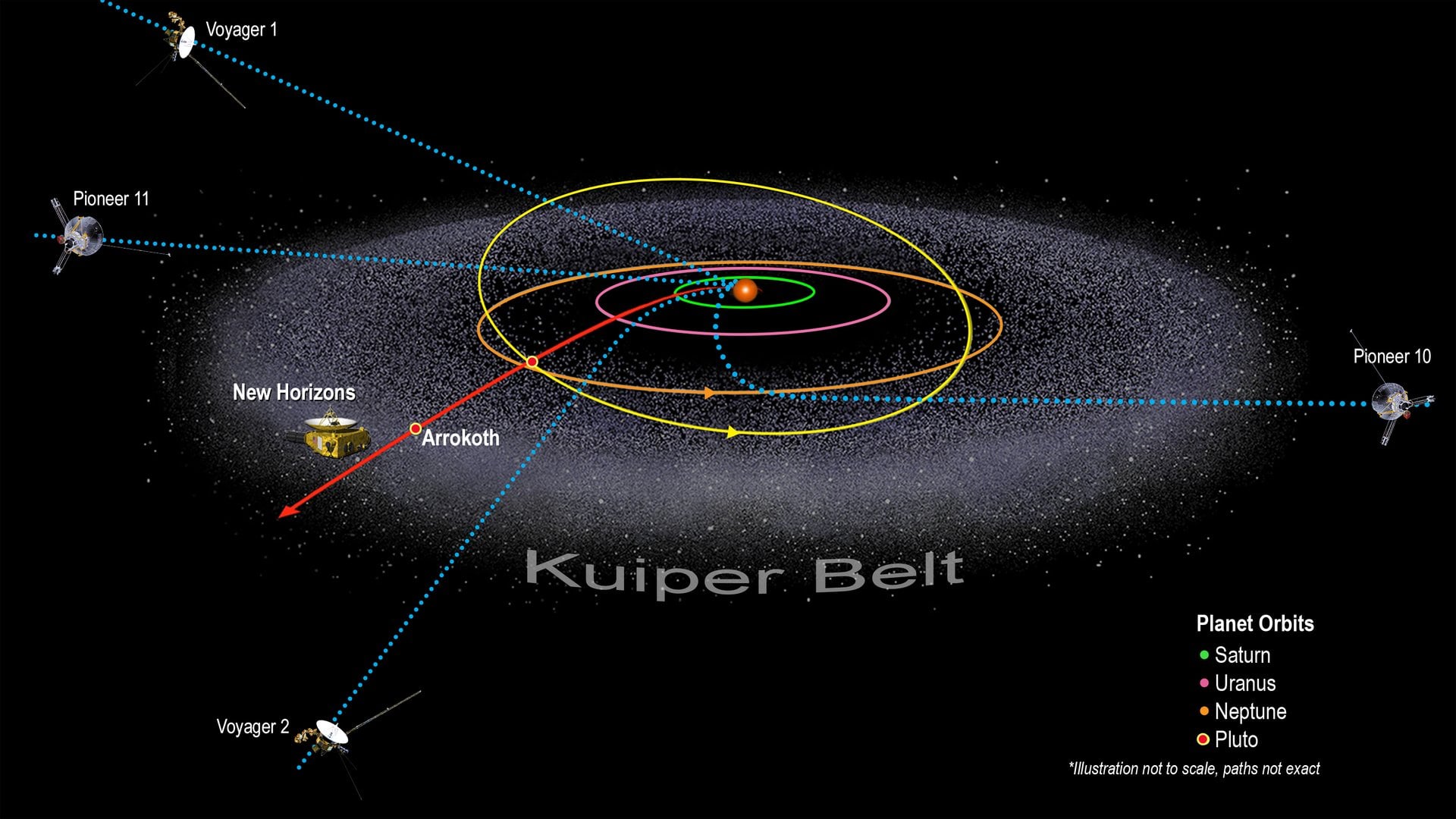
If you visit the New Horizons mission website frequently, you'll notice that the spacecraft continues to generate excellent science as it plows its way through the Kuiper Belt. It recently woke up from its latest hibernation period in good health and is transmitting data it gathered back to Earth. The spacecraft, in addition to studying the Jupiter system in 2007, the Pluto system in 2015, and the Kuiper Belt Object Arrokoth in early 2019, has been doing some other fascinating solar system science since then thanks to two mission extensions in 2016 and 2023. Now, as a result of budget cuts at NASA, an important part of the NH science mission could end as early as October of this year.
Continue reading
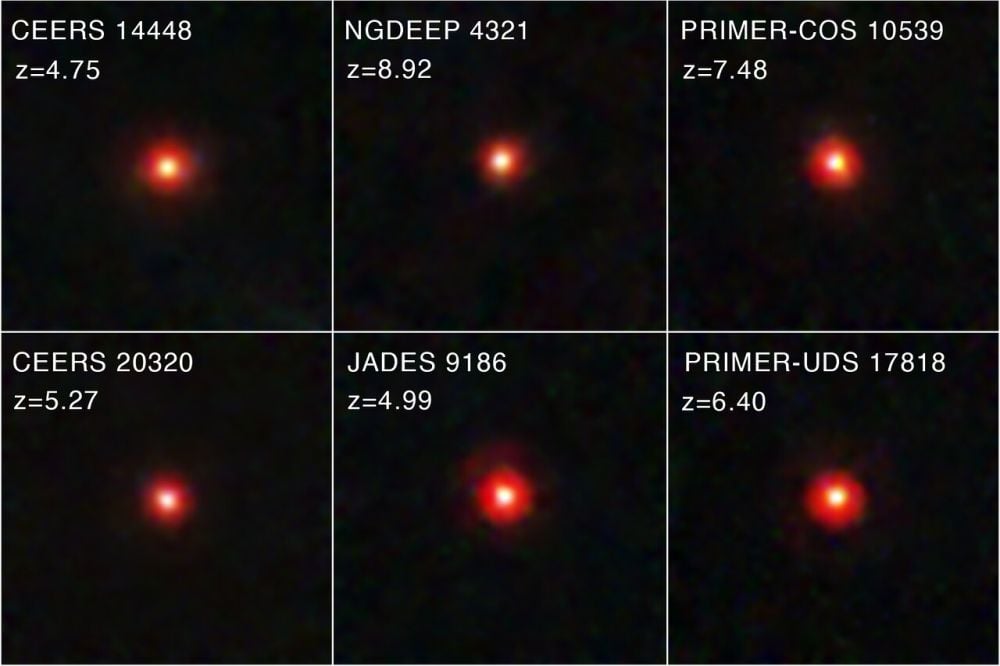
Prior to its launch, astronomers were uncertain what the powerful JWST would find in the ancient, early Universe. One of its surprising findings was Little Red Dots, unexplained ancient objects. They're widely considered to be connected to the growth of SMBHs in the Universe. New research suggests that we may be seeing some LRDs before they merge, on their way to becoming SMBH.
Continue reading
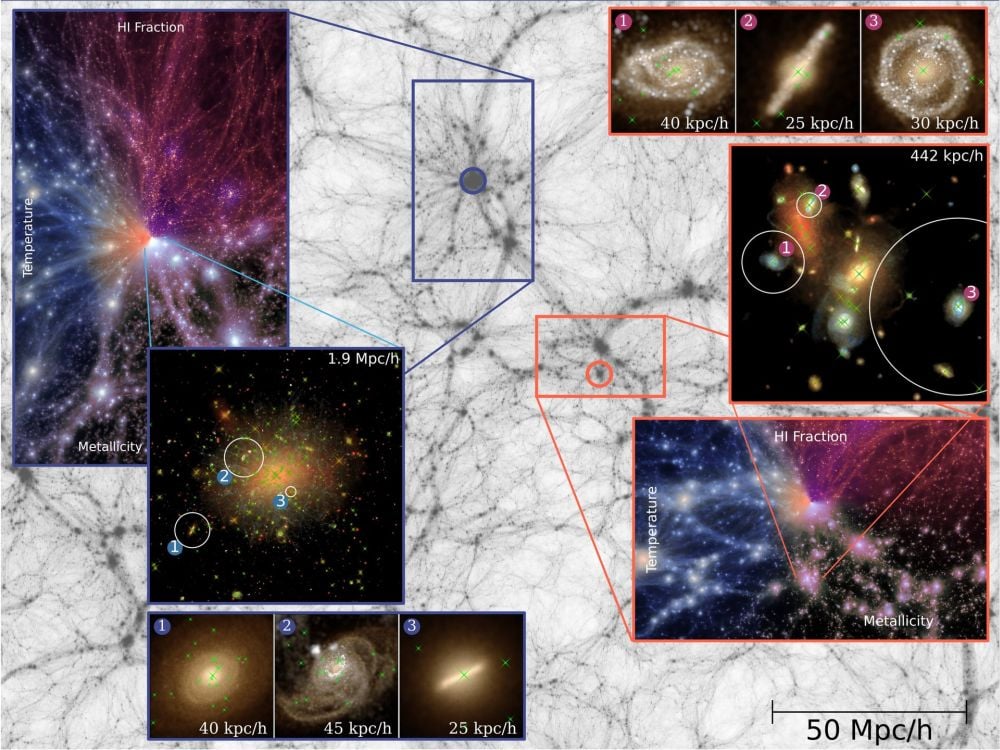
The ASTRID cosmological simulation has run from the Universe's early days up to the present day, z=0. ASTRID is larger than some other simulations, and smaller than others. But with a higher number of particles, it has higher-resolution than its fellows. Among other things, this can tell astronomers where to look for gravitational waves from black hole mergers with future GW observatories.
Continue reading
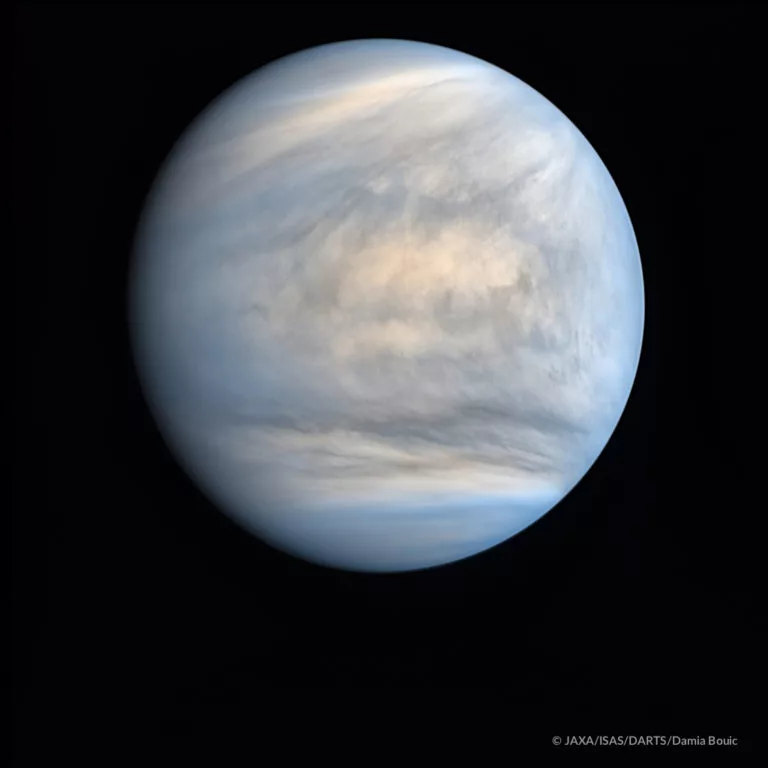
As any amateur astronomer can tell you, Venus is famous for its yellow coloration in visible light. But, ask a professional planetary scientist and they will tell you the strangest thing about Venus is how it appears in ultraviolet. In this spectrum, stark, high-contrast streaks are splattered across the planet’s cloud cover, and rotate on its four-day atmospheric rotation period. For over 100 years, scientists have wondered what could be causing those patterns, referring to an unknown “UV absorber”. A new paper, published in Astrobiology from Jan Spacek and an international team of researchers, hopes to answer that long-standing question by answering a simpler one - if you scooped Venus’ clouds into a test tube, how dark would they be?
Continue reading
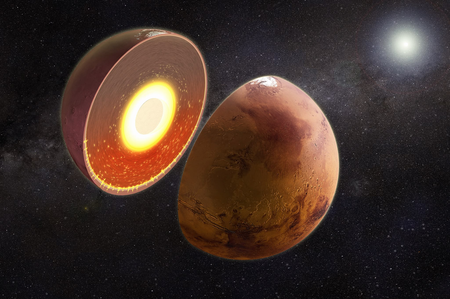
The planet Mars is a cold and dry world completely devoid of life, but billions of years ago things were much different. This is when Mars had a much warmer interior than it does today, resulting in active volcanism that replenished its atmosphere, a magnetic field that protected the planet from harmful solar and cosmic radiation, and a surface of flowing liquid water. But due to Mars’s small size, the interior cooled far faster than Earth’s has cooled, leading to a loss of volcanism, near-absolute depletion of its magnetic field, and complete evaporation of all surface liquid water. But what is the interior heat of Mars like today?
Continue reading
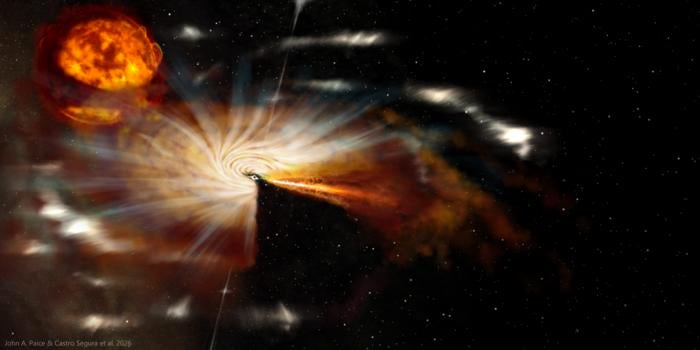
Black holes are some of the most awe-inspiring and mysterious celestial objects in the universe. This is primarily because astronomers still don’t understand the underlying mechanisms that drive black holes, including its formation, evolution, and end. As their name implies, black holes can’t be viewed directly since they blend into the background of the vastness of space. Therefore, astronomers are limited to “seeing” black holes when they consume other celestial objects, most notably stars. When this happens, the astronomers see the light from the star being violently consumed by a nearby black hole in a spectacular display. However, astronomers are still puzzled regarding what happens after the consumption.
Continue reading
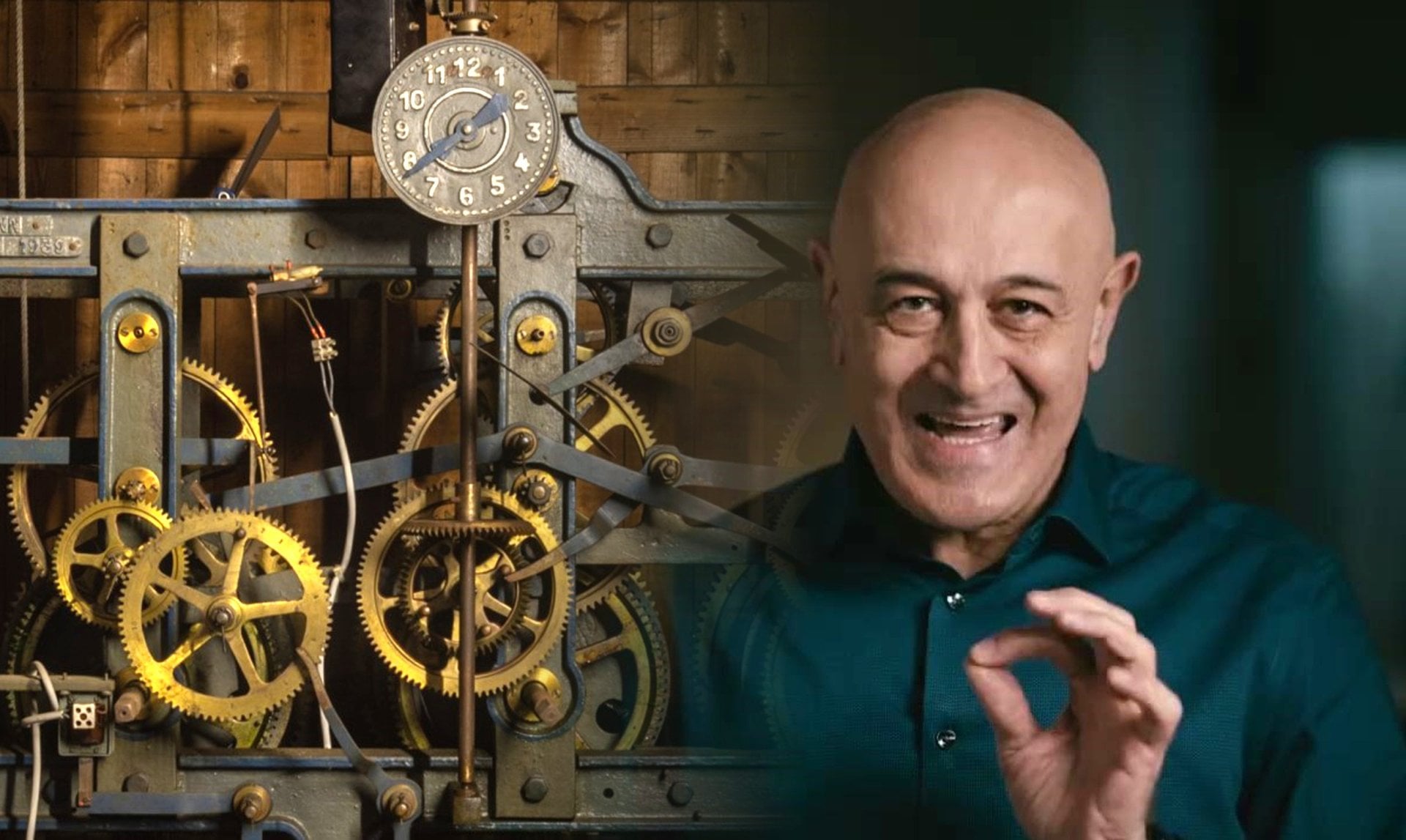
Scientists and philosophers have argued over the nature of time since … well, since time immemorial. Is time real, or is it a convenient illusion? Why does time seem to flow in just one direction? In a new book called “On Time,” British physicist Jim Al-Khalili lays out what he thinks is the answer to such questions.
Continue reading
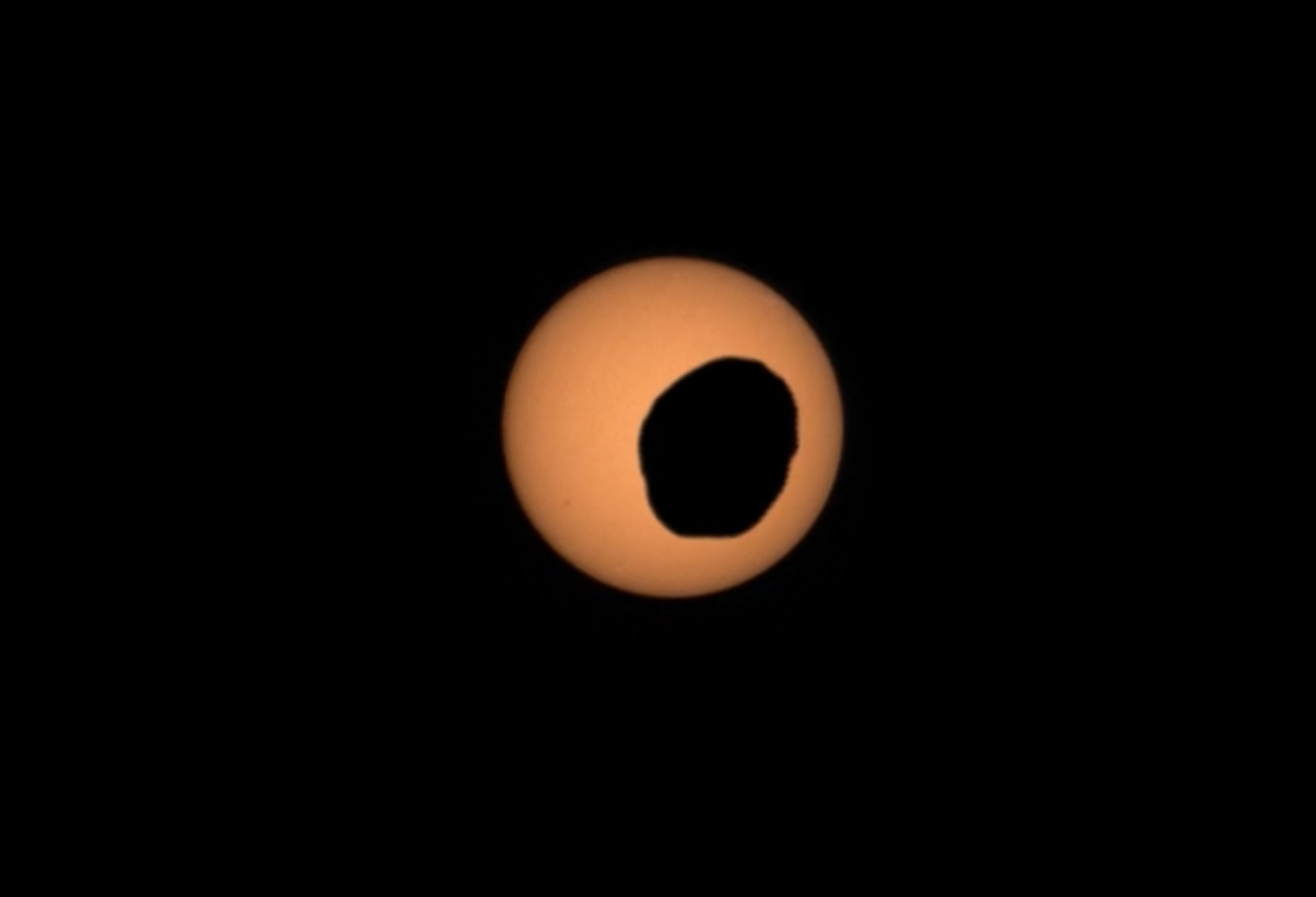
Sure. It’s just another image of Phobos crossing the disk of the Sun, as seen from the surface of Mars. Like so much of the modern space era, these images, once amazing, are now almost routine. But there’s some real science behind tasking the Mars rovers to conduct a little ‘Martian astronomy.’
Continue reading
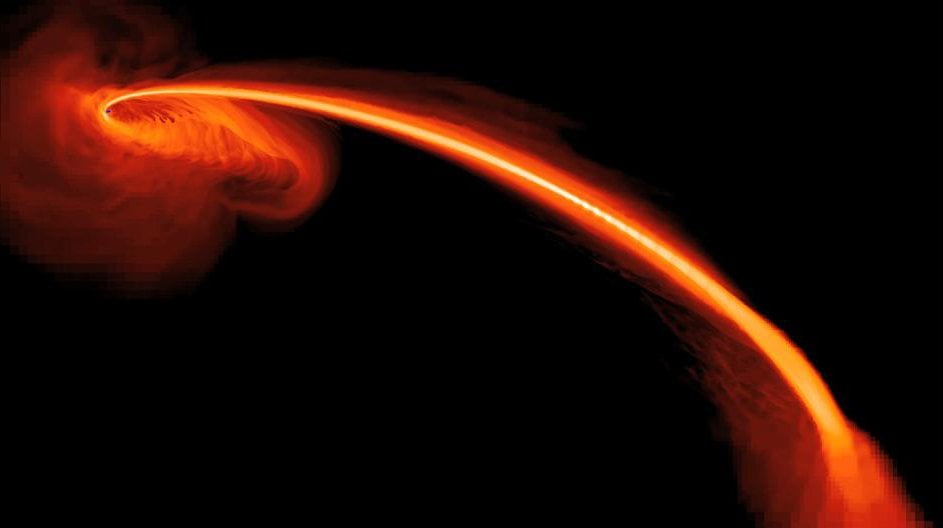
Astrophysicists at Syracuse University in New York think they've found a hitherto-hidden explanation for strange activity during so-called repeating partial Tidal Disruption Events (rpTDEs). These are interactions between a supermassive black hole and a star that wanders too close for comfort, but not close enough to get swallowed up.
Continue reading
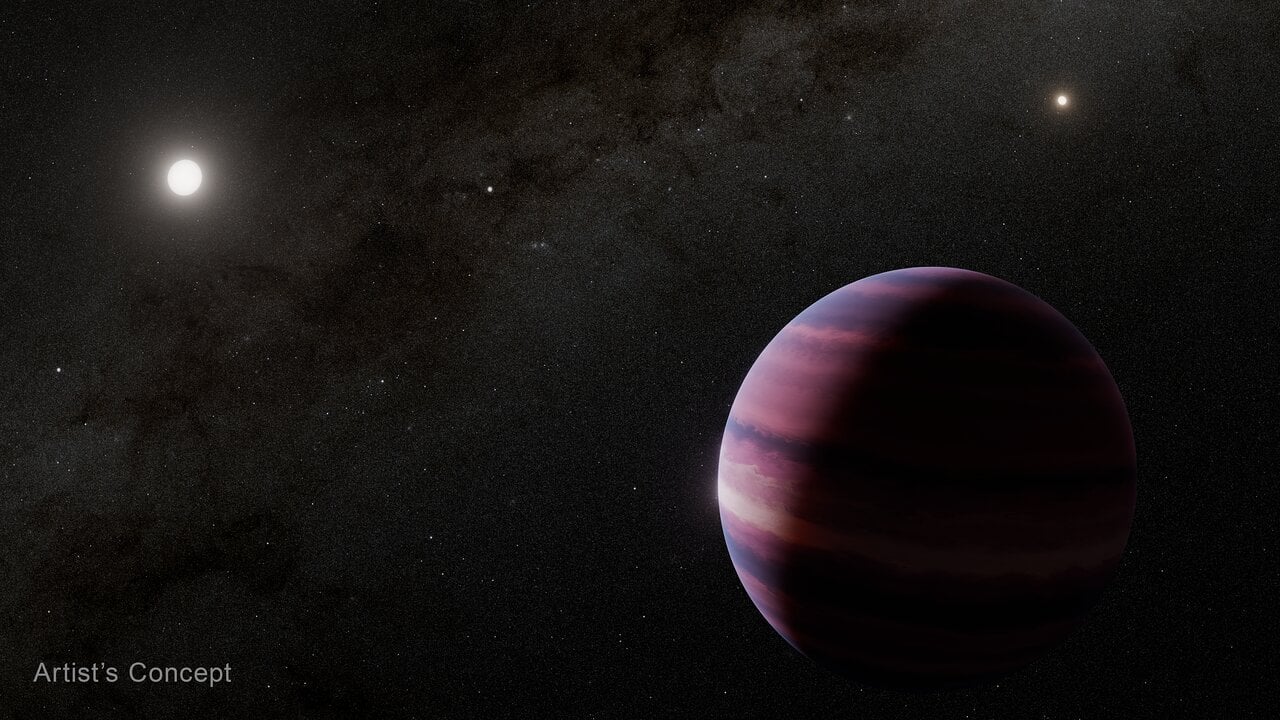
While astronomers have found thousands of exoplanets over the last few decades, the true prize continues to elude them - they have yet to find an Earth-mass, rocky planet orbiting in the habitable zone of a Sun-like star. That’s partially just due to cosmic geography - around half of all sun-like stars near us aren’t alone. They have one or more companion stars that complicate their orbital dynamics, as well as those of any planets they might host. But a new paper, available in pre-print on arXiv, suggests a new NASA Small Explorer mission called Searching for Habitable Exoplanets with Relative Astrometry (SHERA), which aims to use those complex dynamics to help find Earth-sized worlds in these multi-star systems.
Continue reading
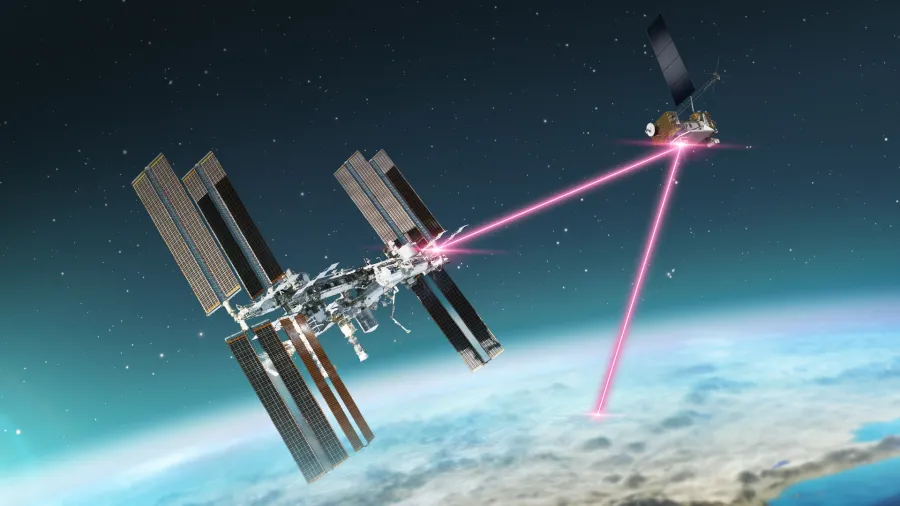
Cislunar space is already getting crowded. And with that crowding comes infrastructure complications. One is navigation - there is no Global Positioning System available when you're not on the globe. Finding a spacecraft’s exact orbital path relies on networking with the Deep Space Network (DSN), a set of telescopes originally developed in the 1950s to communicate with spacecraft far afield. DSN itself is already getting overwhelmed with managing all of the missions requesting its time, so getting a precise orbital location currently can take hours. But researchers at MIT’s Lincoln Laboratory think they might have a solution for this - launching a fleet of three satellites to collectively create a deep-space navigational system known as the LIght High-Orbit Utility Signal Emitter - LightHOUSE.
Continue reading
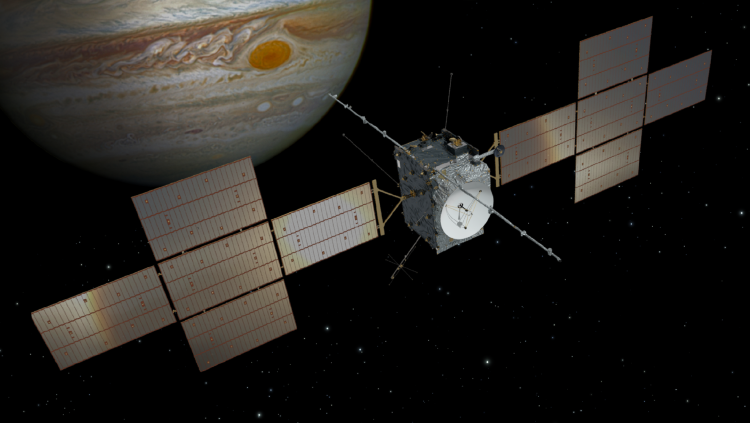
The planet Jupiter hosts more than 100 moons with the majority of attention going to the four Galilean moons, Io, Europa, Ganymede, and Callisto. This is primarily due to their active geology, including Io being the most volcanically active planetary body in the solar system and Europa having a vast subsurface liquid water ocean beneath its icy crust. However, Jupiter’s smaller and lesser-known moons could provide astronomers key insights into the history of the solar system since they’ve remained largely unchanged, unlike the Galilean moons.
Continue reading
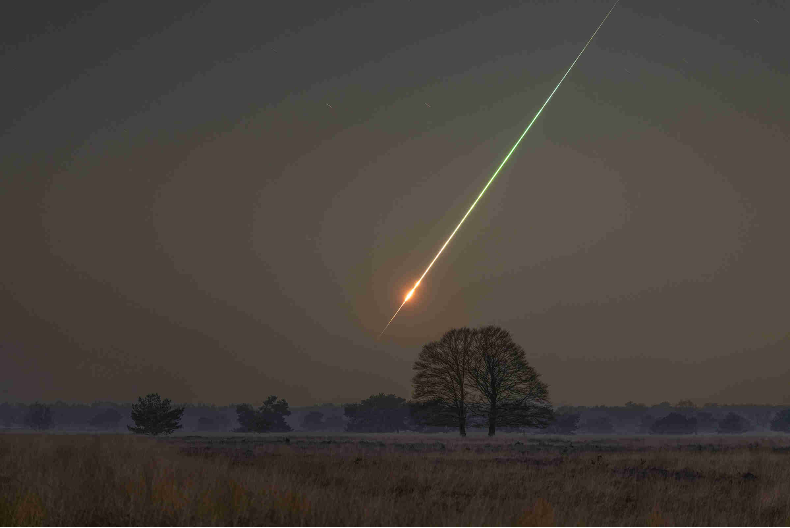
At least once in our lives, we’ve all seen a bright streak of light briefly blaze across the sky and have quickly referred to it as an asteroid, meteor, shooting star, comet, or some other whimsical name we’ve heard others use to describe it. For those calling it a meteor, you would be correct, but we’ll touch upon this later. The time it takes for a space rock, bolide being its scientific name, to travel through Earth's atmosphere and crash into the ground literally takes only a few seconds. But what happens to a space rock during this very brief travel time, and how can scientists use this to learn about a specific space rock’s origin and the potential damage it could cause if it explodes in mid-air?
Continue reading
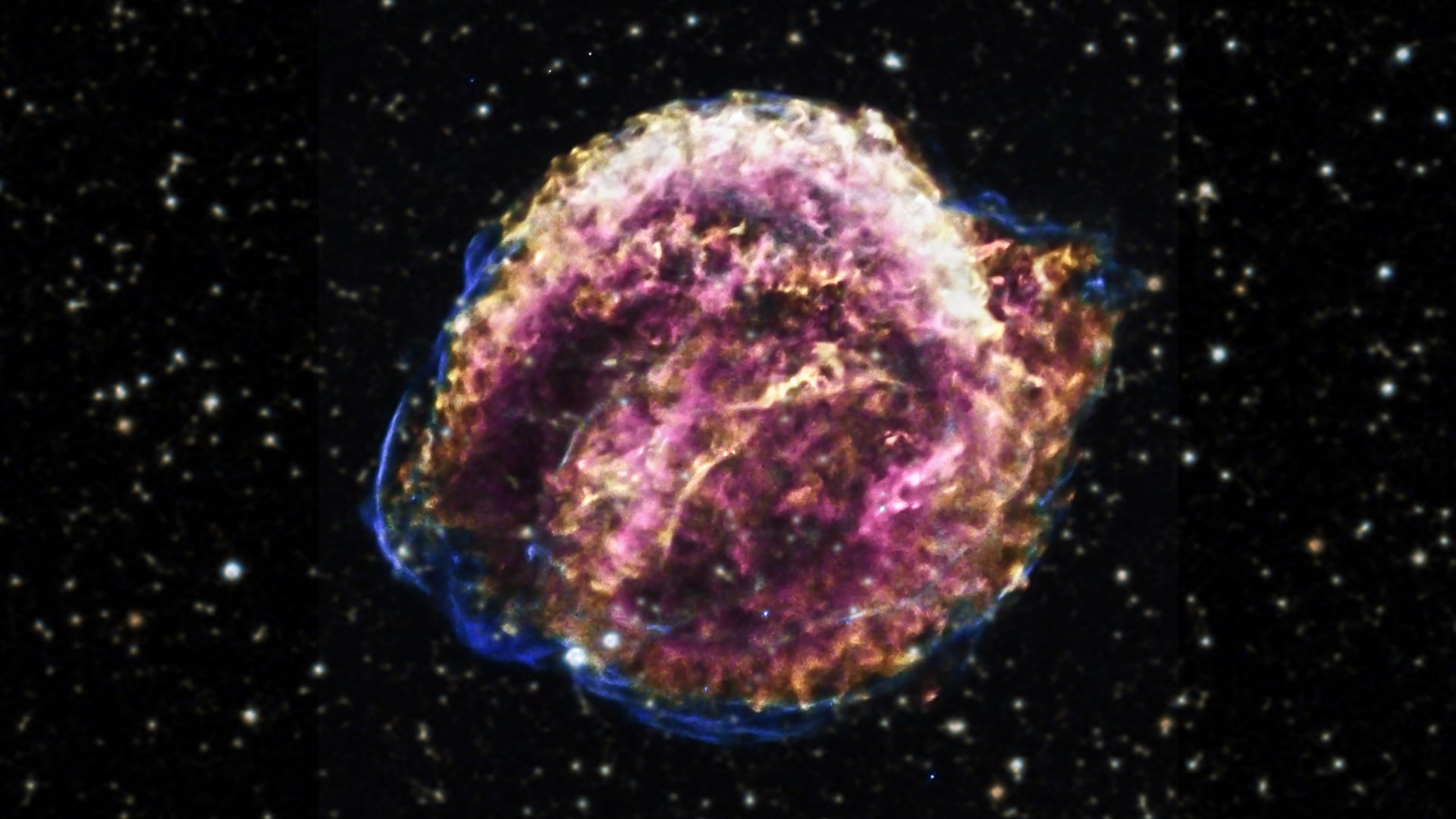
When a meteoroid hits the Moon's surface, it does more than just dig up a little dirt. It actually excavates a little bit of cosmic history that recorded a long-ago supernova explosion. Scientists at the University of Hawaii Institute of Geophysics and Planetology have come up with a way to decode that history and learn something about such energetic events in the Universe.
Continue reading
NASA's newest eye on the sky, the Nancy Grace Roman Space Telescope, has begun its journey to unravel the secrets of dark matter, dark energy and Earthlike planets — months ahead of schedule.
Continue reading
How do scientists know the mass of the Universe? Measuring it has traditionally relied on knowing how many stars there are in galaxies, as well as clouds of gas and dust, and associated dark matter. Astronomers generally use the mass of the brightest stars to estimate the mass of an entire galaxy. That means the rest of a galaxy's stars and its dark matter are essentially invisible. For decades, astronomers estimated the number of small, unseen stars in clusters and galaxies using a mathematical rule that assumed stars formed in roughly the same mass proportions everywhere in the Universe. That tool is called the initial mass function (IMF). It describes how many stars of each size there are in a given cluster or galaxy. However, there are challenges with the way it's currently applied because of assumptions it contains.
Continue reading
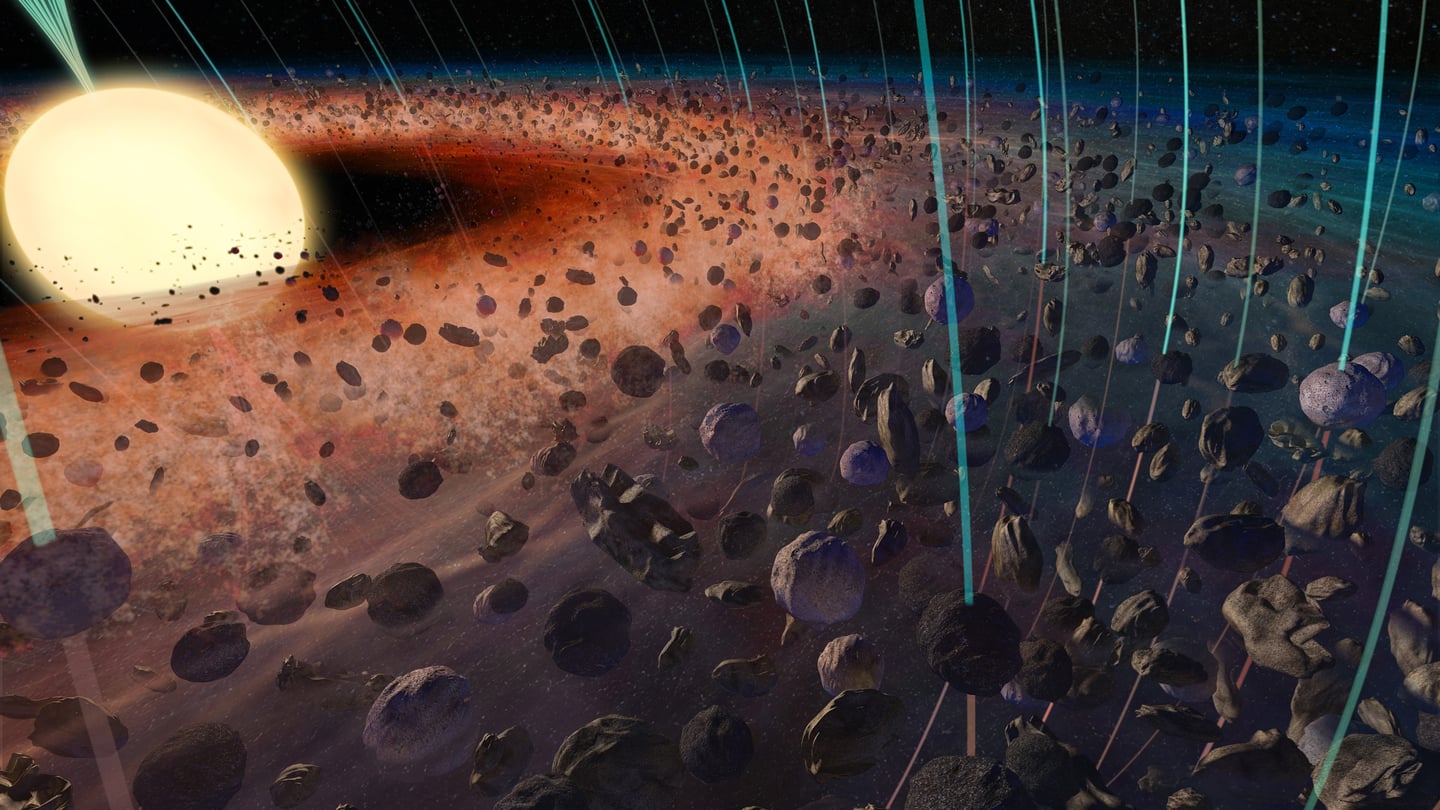
Those little dust grains that fall to Earth during meteor showers or end up as part of larger meteorites found on Earth may hold surprising clues to the formation of the Sun. That's because they record the state of the magnetic field in the protostellar nebula from which Earth (and ultimately the planets) formed.
Continue reading
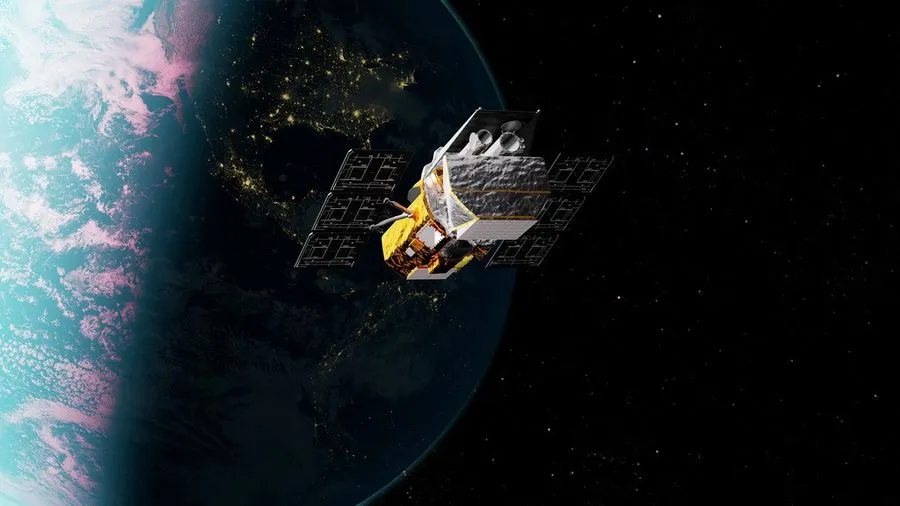
Due to an ongoing commercial spacecraft attitude control issue, NASA and Katalyst Space announced Wednesday the LINK spacecraft will attempt to conduct rendezvous and proximity operations with NASA’s Neil Gehrels Swift Observatory to demonstrate key capabilities for the future of space exploration.
Continue reading
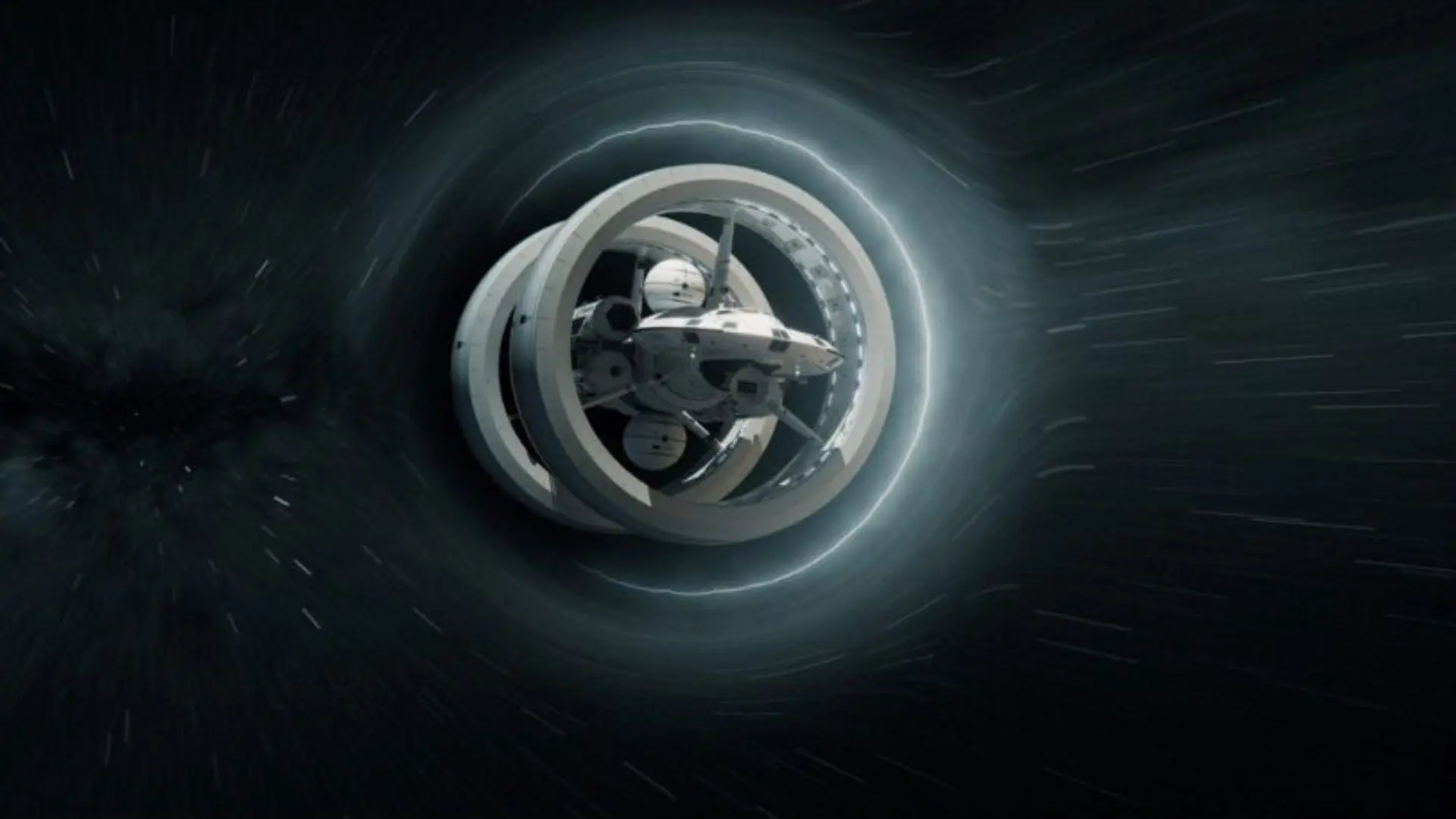
In our fifth installment, we explore the most exotic proposals for interstellar travel, including the Alcubierre Warp Metric, wormhole travel, the Halo Drive, and other truly advanced concepts.
Continue reading
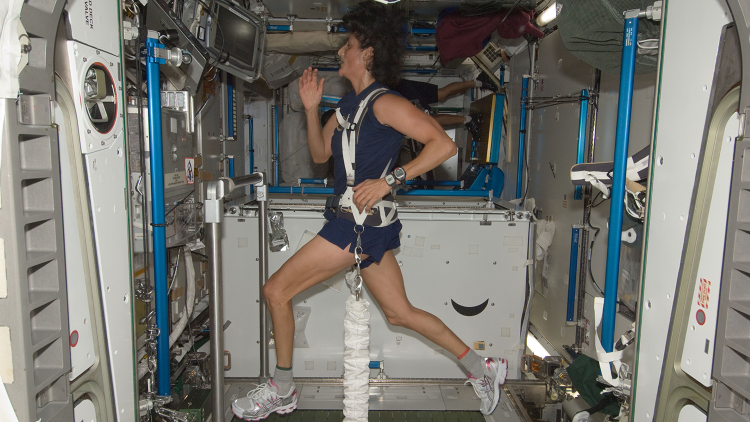
Since the dawn of human space exploration, astronauts, scientists, and engineers have examined the short- and long-term effects of microgravity (often mistakenly called zero-gravity) on the human body. This includes the distribution of fluids to the upper body (called “puffy face”), an increase in height from the spine slightly extending, how solar and cosmic radiation impacts humans at the genetic level, and skeletal and muscle loss. However, arguably all these aspects pale in comparison to how the microgravity from spaceflight impacts the heart, and specifically heart muscle cells.
Continue reading
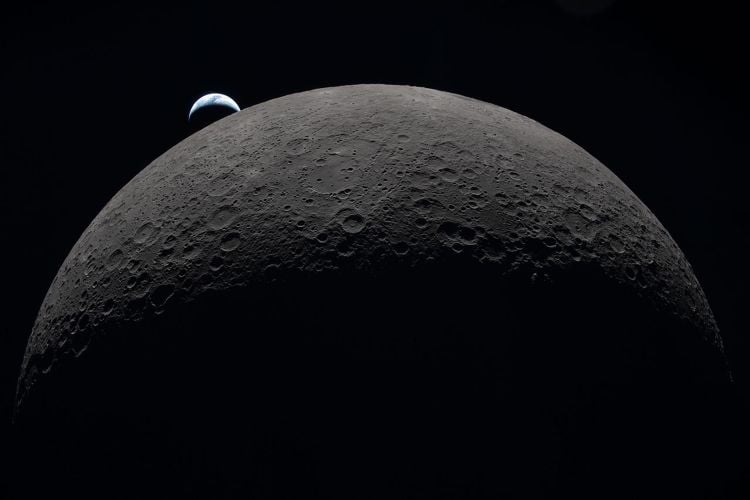
One of the primary objectives of space exploration that often gets overlooked is the intense effort that goes into ensuring Earth microbes don’t contaminate planetary objects, also called forward contamination. This is done to prevent contaminating any potential life that might be present could get killed off my Earth microbes and scientists don’t want to make false discoveries. While space radiation and extreme temperatures often kill off any pesky microbes that hitch a ride on spacecraft, there remains a longstanding knowledge gap regarding whether microbes could survive the lunar polar regions due to its deep craters and varying topography.
Continue reading
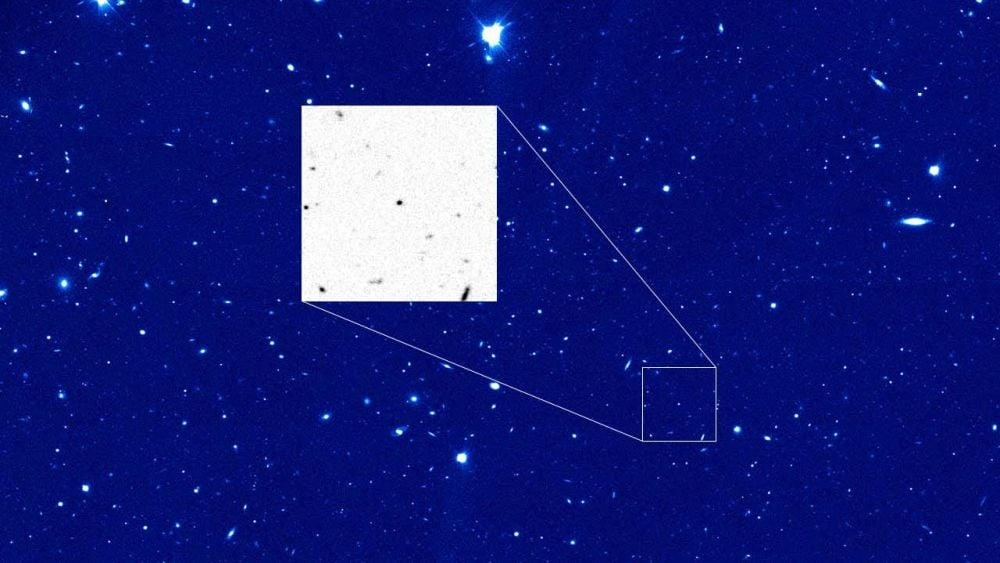
Japanese researchers got lucky when a comet they wanted to study was found photo-bombing archival images from Japan's Subaru Telescope. The Subaru, with its 8.2 meter mirror, happened to image comet 28P/Neujmin from just the right angle to accurately characterize its surface. Their work is part of the ongoing effort to understand comets and asteroids, why some of them share properties, and what that means for their formation and evolution as Solar System objects.
Continue reading
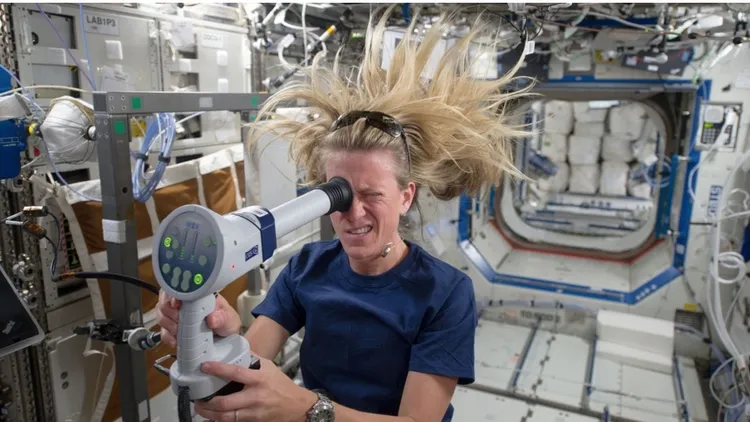
A new study identifies possible mechanisms behind changes in astronauts' lower eyelids, a symptom associated with long periods in space that can affect their eyesight.
Continue reading
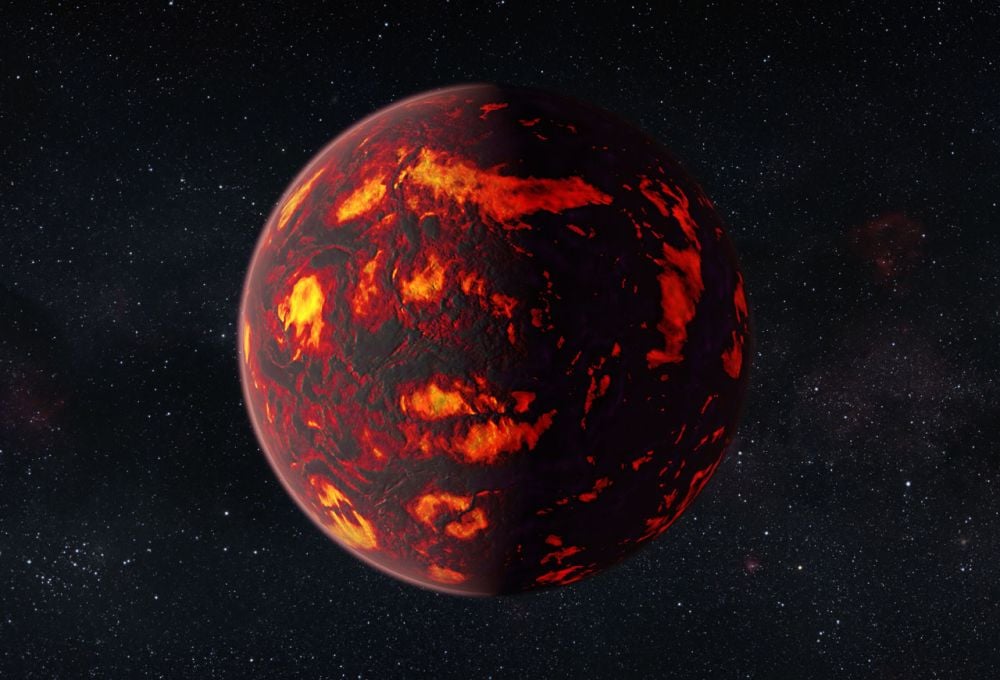
The discovery of lava worlds with atmospheres is challenging our theories of how atmospheres escape, and calling into question the idea of the cosmic shoreline. Stanford researchers have developed a model that explains how lava-covered worlds close to their stars can retain their atmospheres. The new theory could inform the search for life beyond our Solar System.
Continue reading
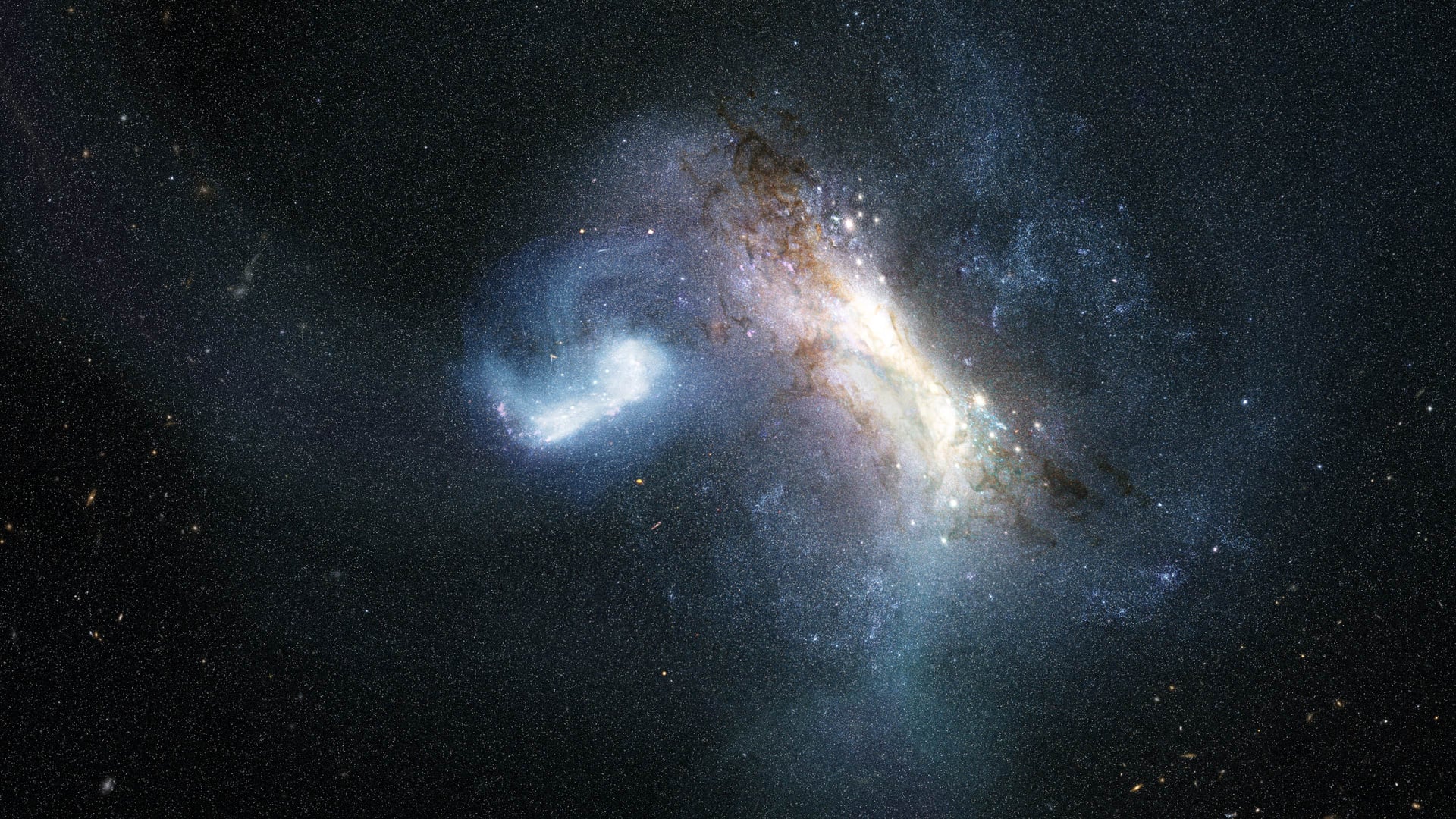
New data from NASA’s Hubble Space Telescope shows definitive evidence of a dwarf galaxy merging with the young Milky Way galaxy in the earliest phases of its evolution. This finding extends our knowledge of our galaxy’s history 1.8 billion years farther back in time than before.
Continue reading
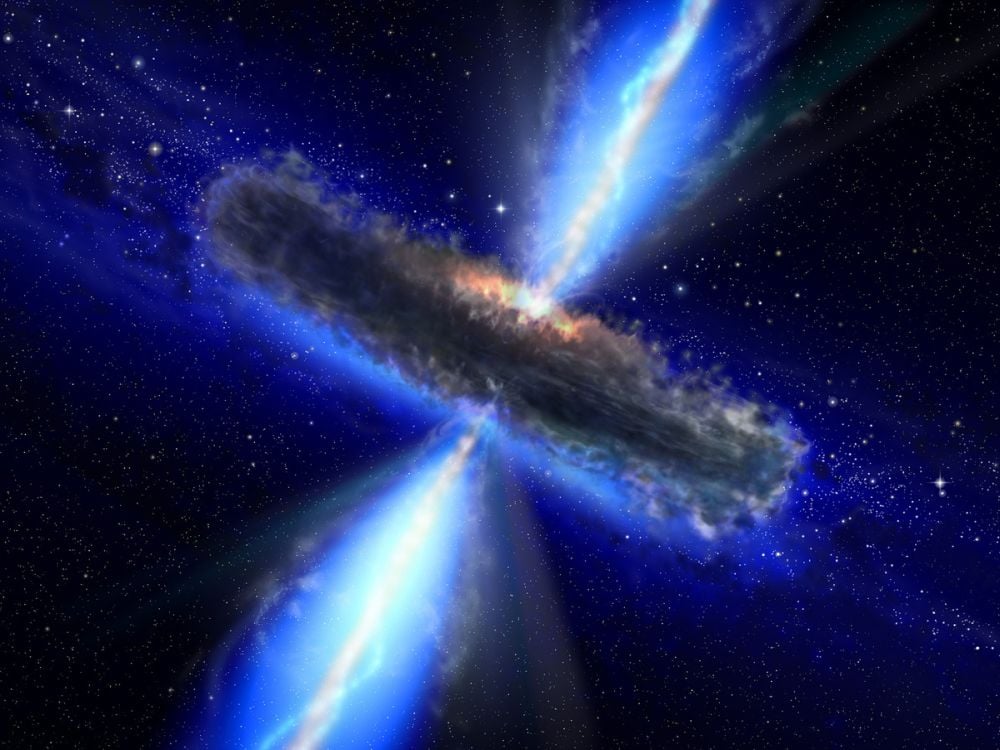
Planets form in protoplanetary disks, reservoirs of gas and dust around young stars. But young stars are a little hyperactive, and they emit powerful winds that can dissipate the gas. So planets, especially gas giants, are in a race against time to form. They only have a few million years before the gas is gone.
Continue reading
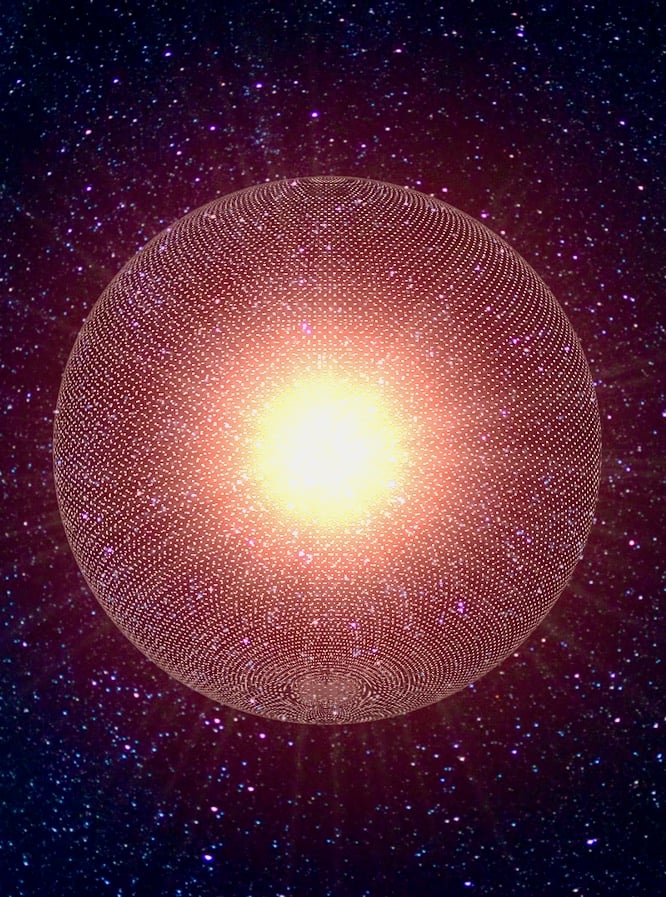
Recent searches for the technosignatures of hypothetical Dyson Spheres again turn up empty.
Continue reading
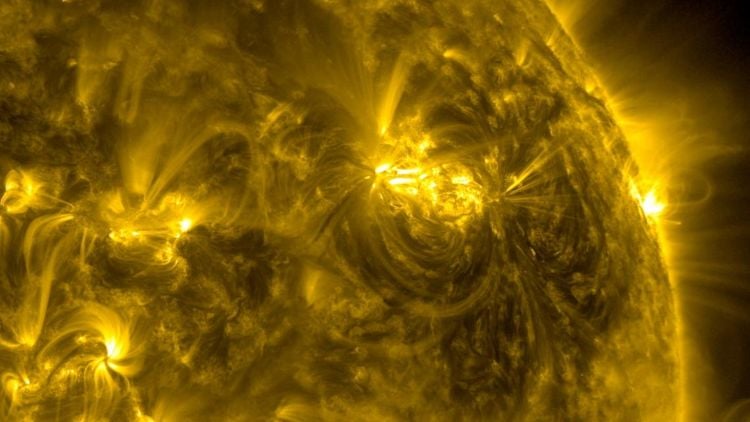
When we think of weather forecasts, we instinctively think of weather on Earth like rain or shine. However, we rarely consider weather forecasts from outside of the Earth, also called space weather. While space weather often results in the awe-inspiring aurora located at the northern and southern latitudes, we often forget the negative impacts of space weather on our everyday lives. This includes potential disruption of communication satellites or ground stations. The primary conundrum that has eluded researchers is being able to forecast incoming space weather so we can better prepare for its impact.
Continue reading
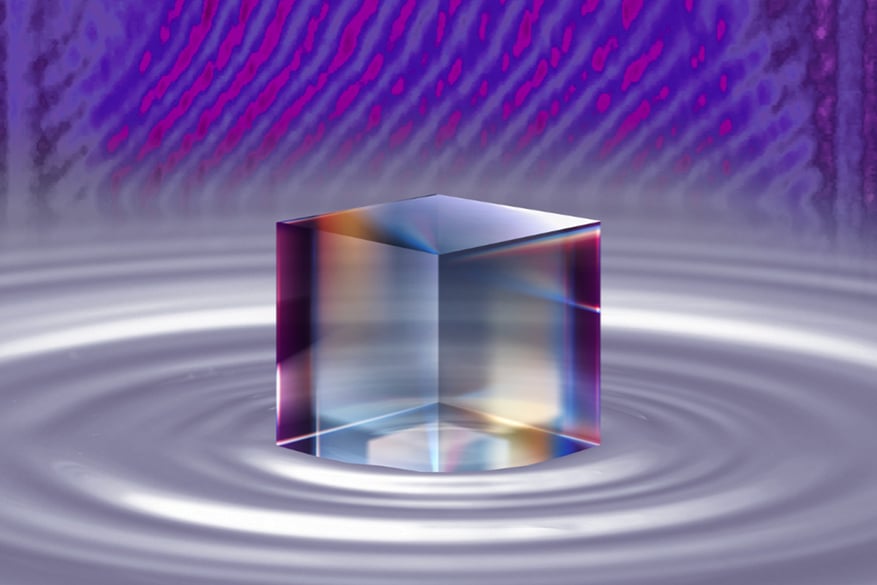
Some of the strangest weather in the solar system doesn’t happen on Earth, or even Jupiter’s Great Red Spot - it happens in the interior of the Ice Giants like Neptune and Uranus. Specifically, scientists have long believed that, at certain pressure and temperatures, it literally rains diamonds inside of these planets. And for the first time, scientists have mimicked the process they believe creates that. A new paper by physicists at the Lawrence Livermore National Laboratory (LLNL), published in Nature Physics, resolves a 20 year old scientific mystery, and shows how the same physics that makes it rain diamonds inside Neptune could also help us triple our fusion energy output.
Continue reading
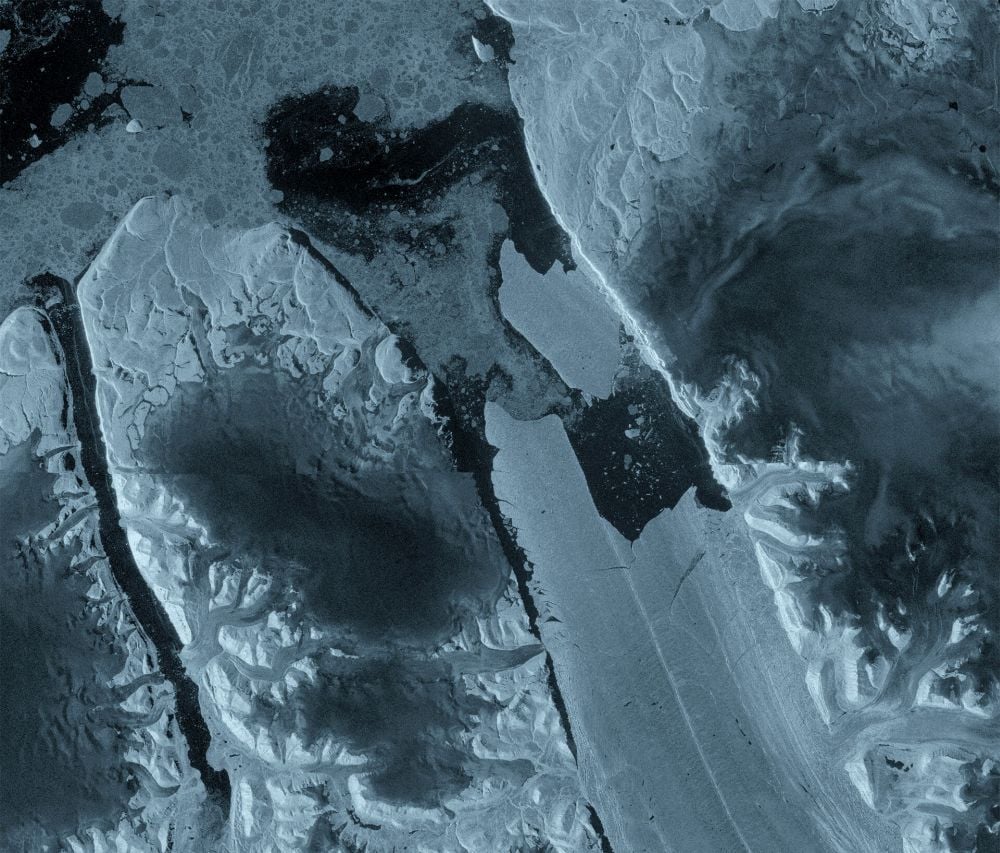
The ESA's Sentinel satellites captured a 76 sq. km. chunk of ice breaking off from Greenland's Petermann Glacier. They watched the cracks and deformations happen in real time leading up to the calving. While calving is normal, it's happening more often, and this is another clear sign that the Arctic is rapidly changing due to the warming climate.
Continue reading
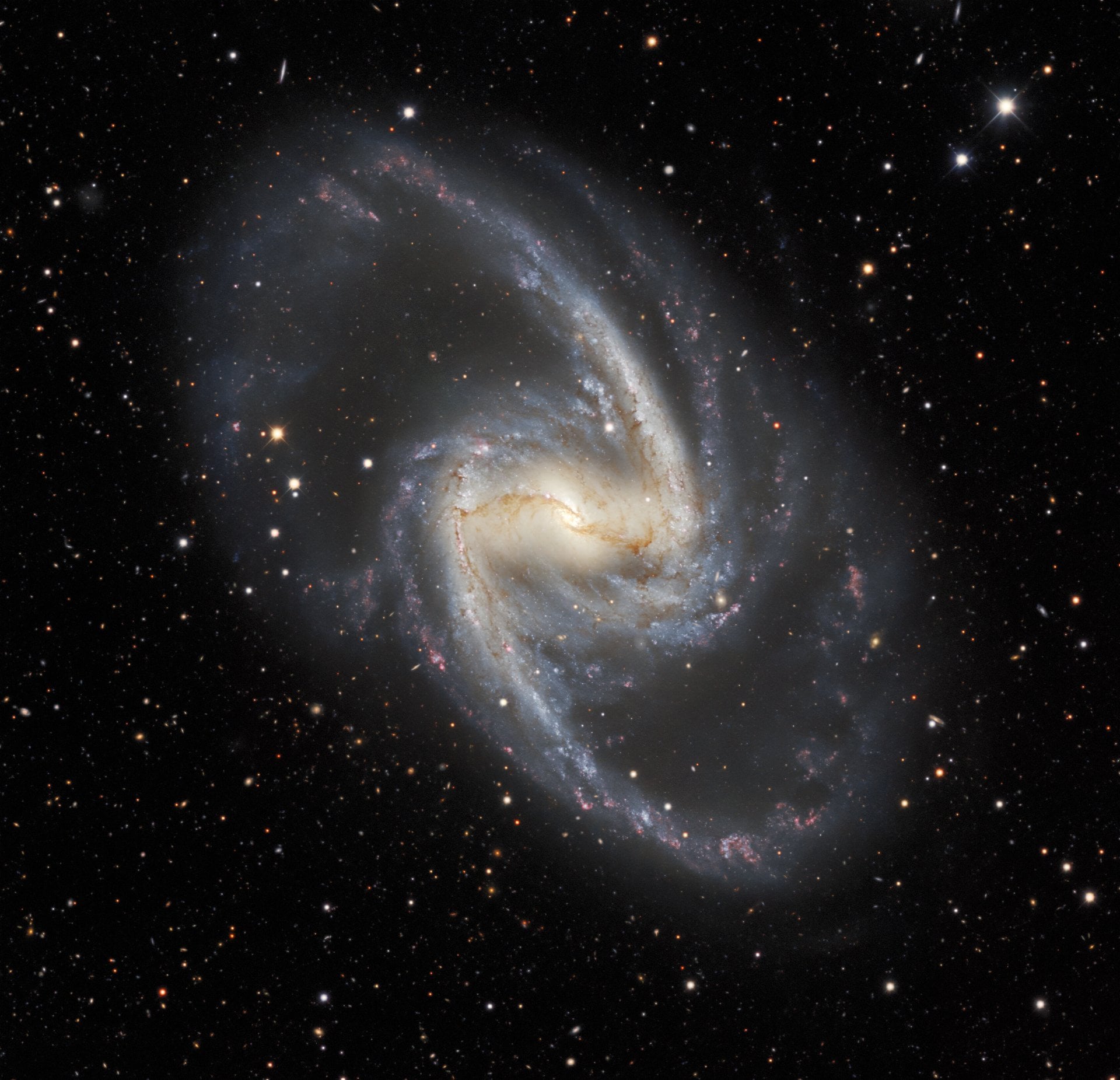
Using a state-of-the-art galaxy simulation, a team led by scientists from the Leibniz Institute for Astrophysics Potsdam (AIP) gained new insights into the processes shaping galactic centres across the Universe and the formation history of the Milky Way.
Continue reading
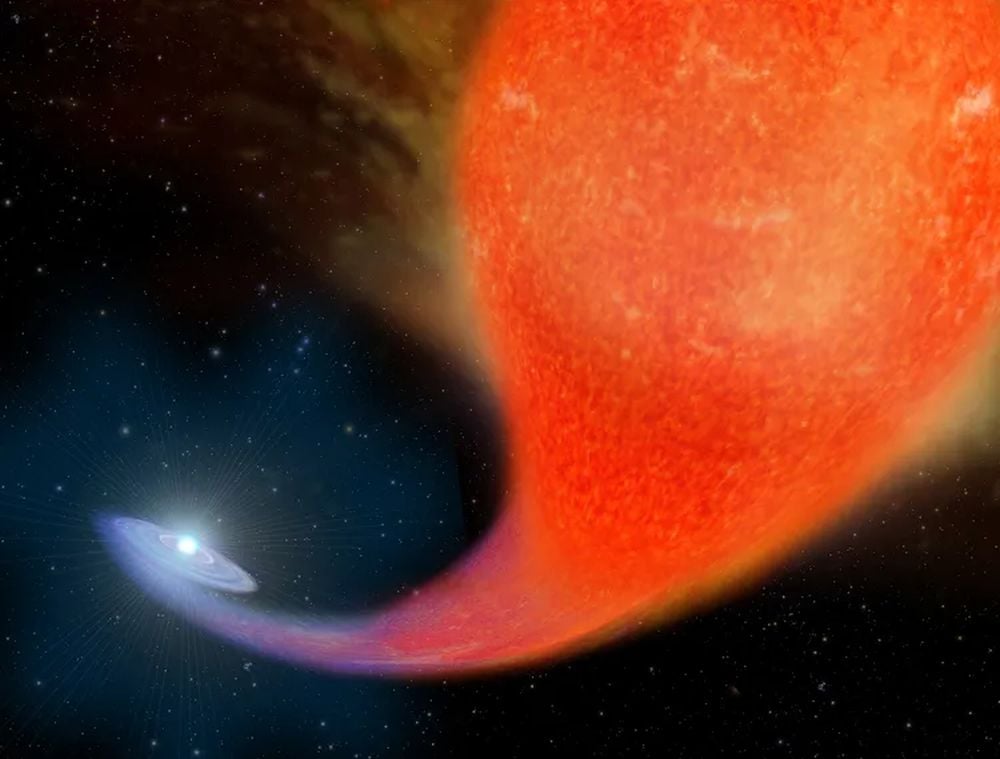
Most stars, including massive ones, are in binary pairs. Astronomers think that about 70% of them have gained mass from their companions, but there's been no way to determine which ones have done so. Now, researchers have found a way.
Continue reading
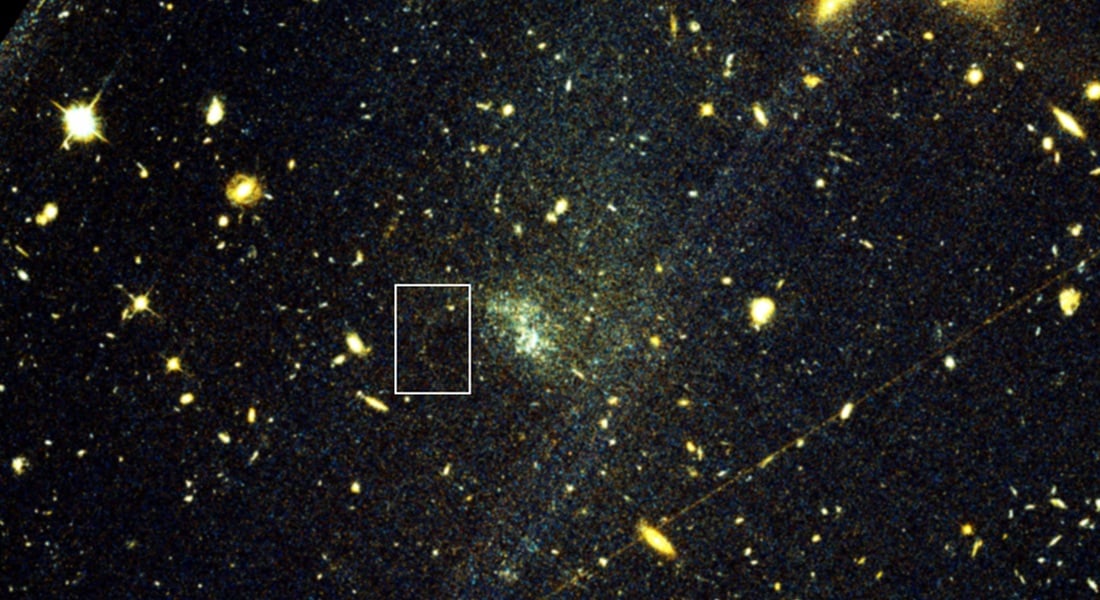
Dark matter continues to challenge astronomers as they work to solve the mystery of this so-far-unseen material that permeates the Universe. It's not that the stuff doesn't exist. It does, but we just can't see it. The only way it can be detected is by its gravitational effects on ordinary matter. A team of researchers led by University of Copenhagen PhD student Julie Kiel Holm has found a stream of stars stretching out more than 3,000 light-years from a globular cluster that appears to have been shaped by dark matter in a distant galaxy.
Continue reading
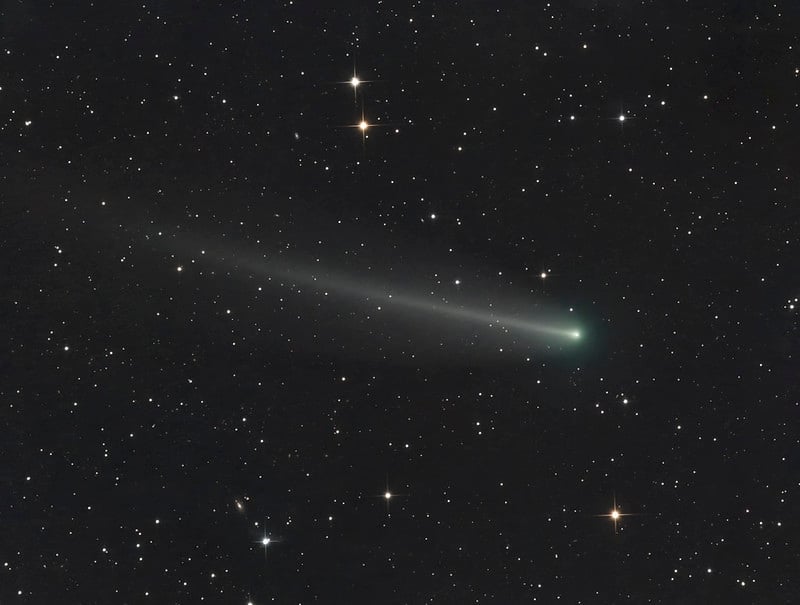
It has been a busy month for astronomy. In the midst of an eclipse season bookended by the total solar eclipse on August 12th and the deep partial lunar eclipse coming right up this week on August 28th, an outbound comet hanging high in the dawn sky just refuses to die: 220P/McNaught.
Continue reading
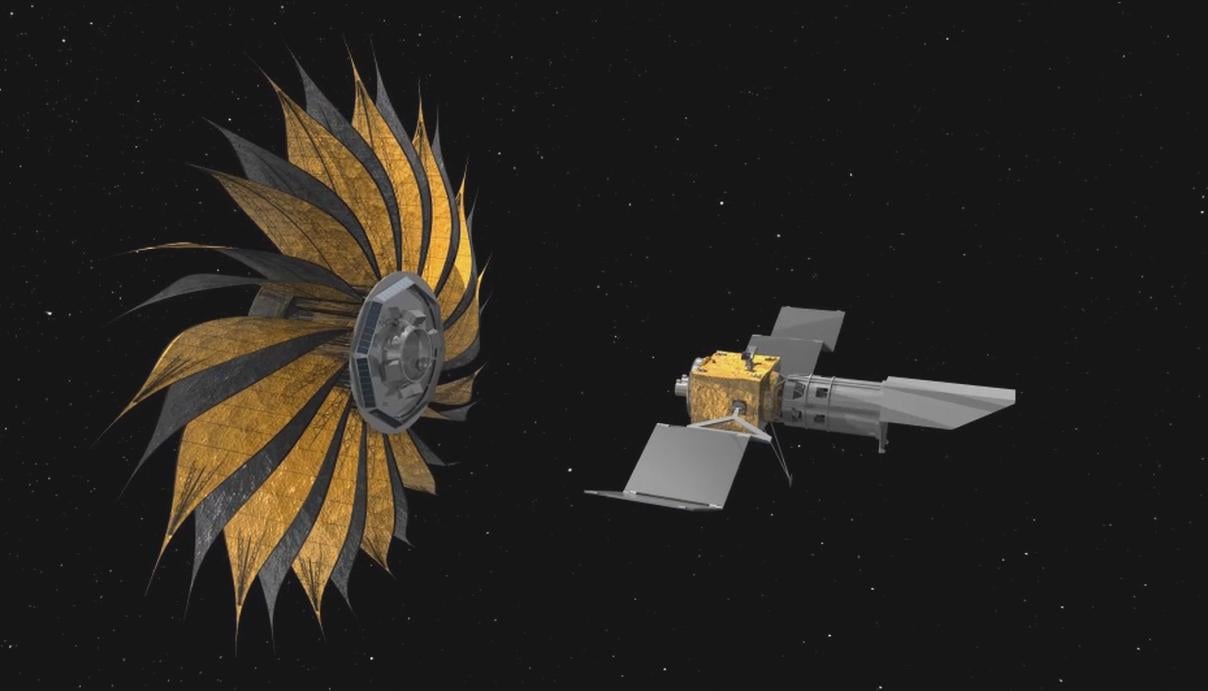
Innovative NASA-funded orbital starshade could help capture first direct images from extrasolar earths.
Continue reading
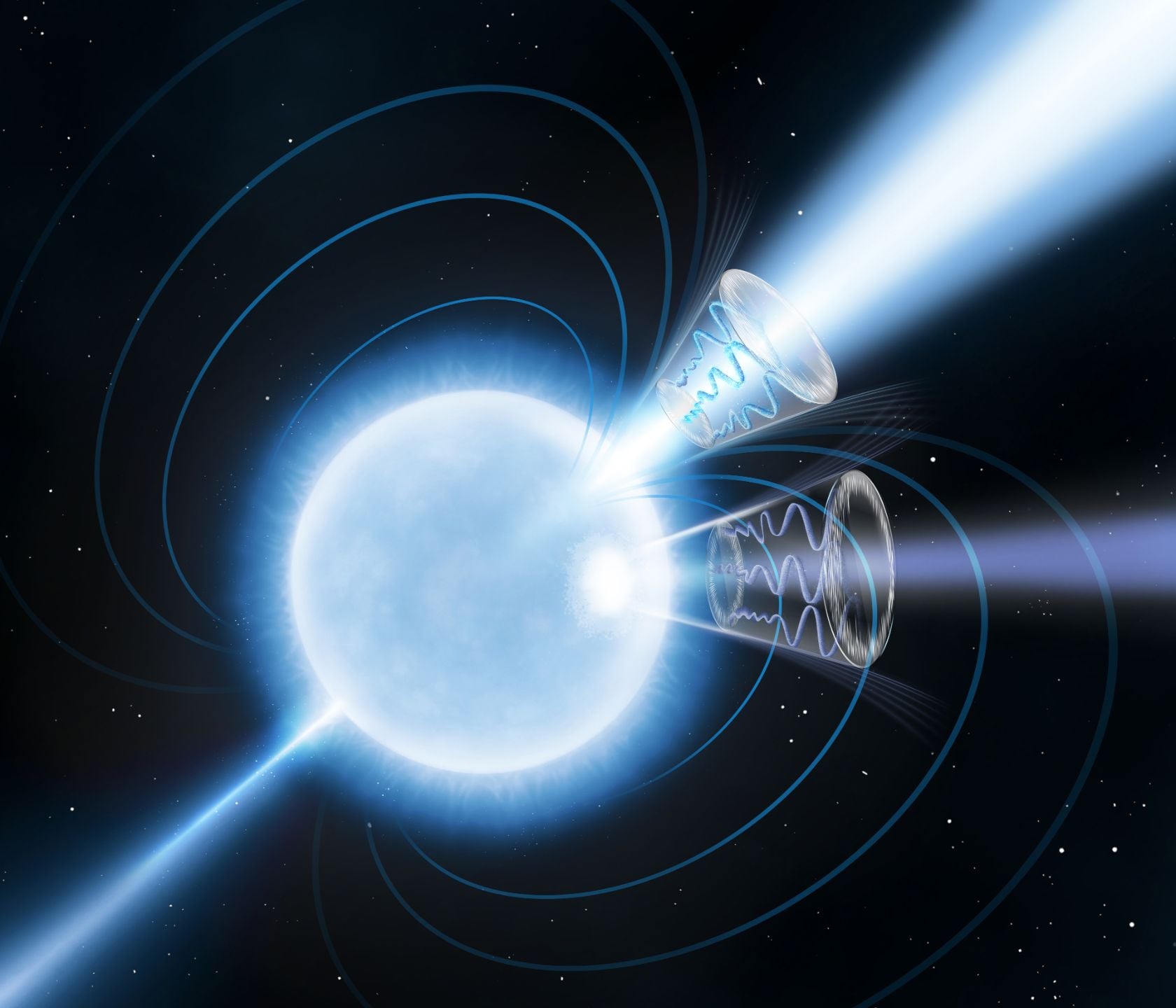
An international team observed a magnetar known as 1E 1547.0–5408 using NASA’s Imaging X-ray Polarimetry Explorer (IXPE), leading to what could be the first detection of vacuum birefringence taking place in the magnetar’s ultra-strong magnetic field. These findings could potentially resolve a long-standing mystery quantum mechanics.
Continue reading
NASA and its commercial partners are making progress on their way to a permanent human presence on the Moon. As part of that, a recent press release and accompanying YouTube video hints they may be looking to provide regular updates to the progress of those efforts - and, at least for this first one, that progress looks pretty good.
Continue reading
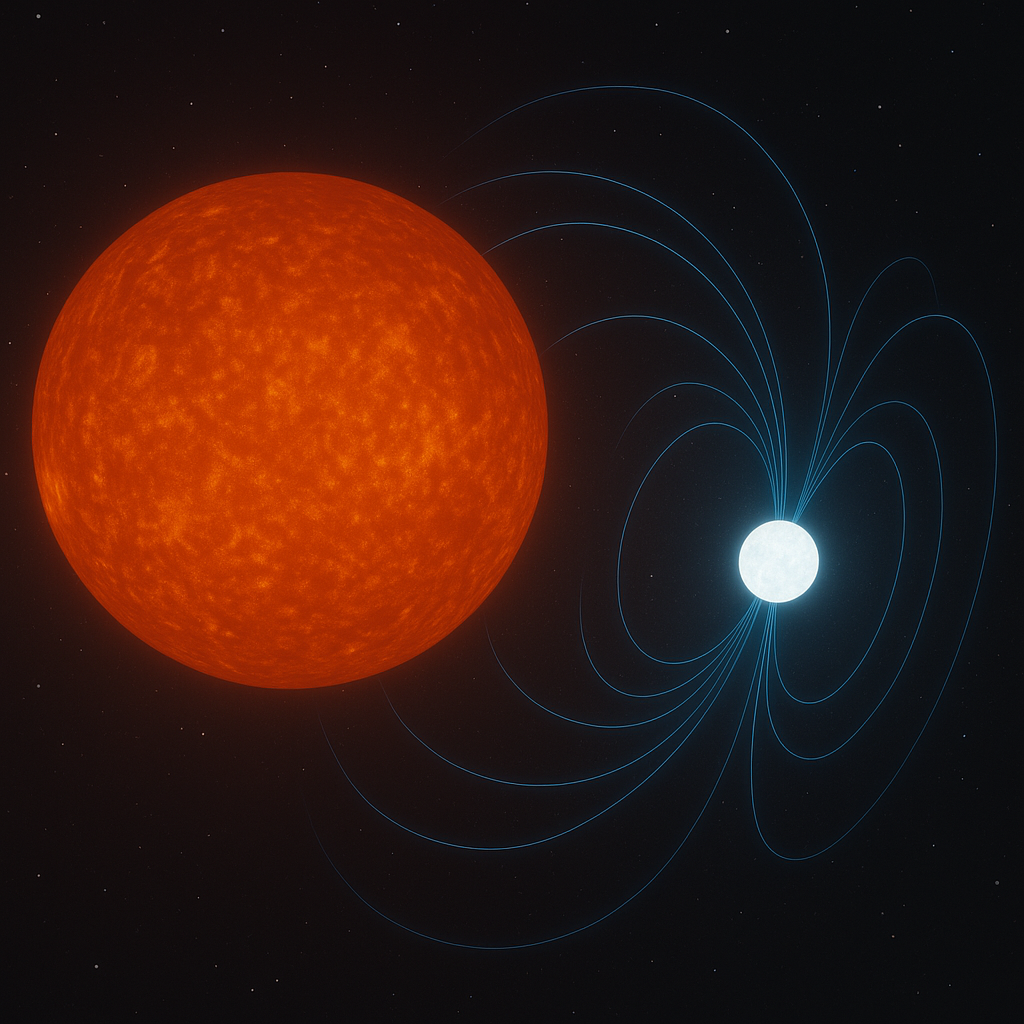
Researchers have helped unravel the mystery of why certain pairs of stars pulse with regular, long-period bursts of radio waves. The particular class of objects they observed come in pairs that always include a compact dead star, called a white dwarf, locked in orbit with an M dwarf, a red star smaller than our Sun.
Continue reading
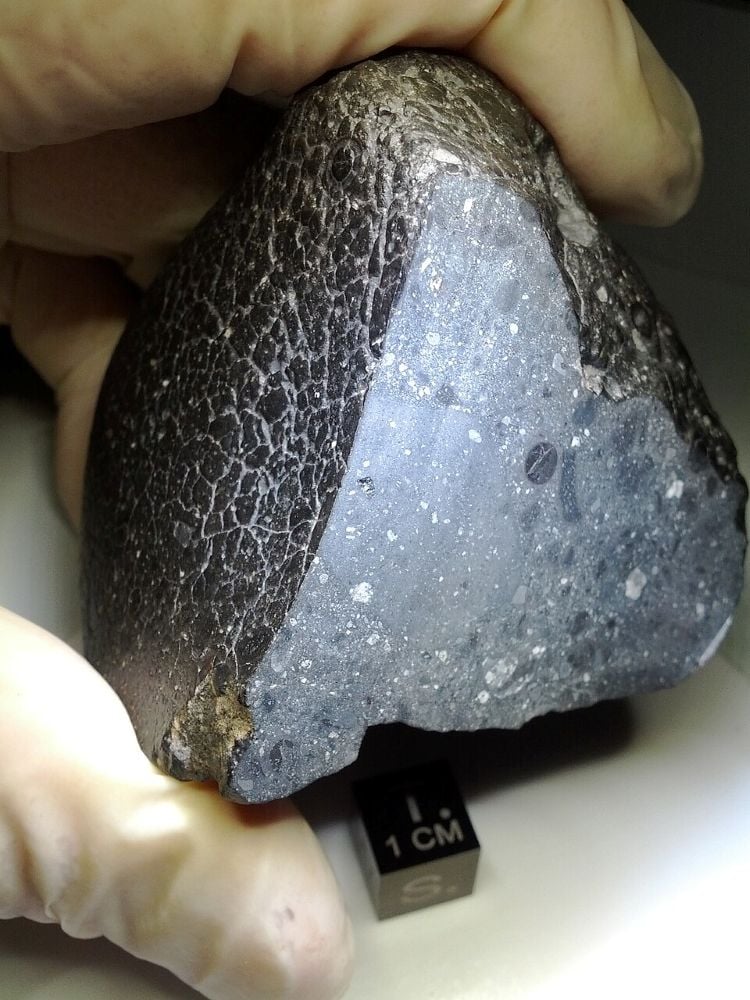
Billions of years ago, Mars was hypothesized to have been a habitable world with flowing liquid water and the potential for life. But directly studying its ancient past is currently limited to orbiters and rovers, as scientists have yet to obtain direct samples from Mars. However, meteorites have been found on Earth to have potentially originated from Mars during large impacts that flung chunks of the Red Planet into space, eventually being grabbed by Earth’s gravity and crashing into the Earth’s surface.
Continue reading
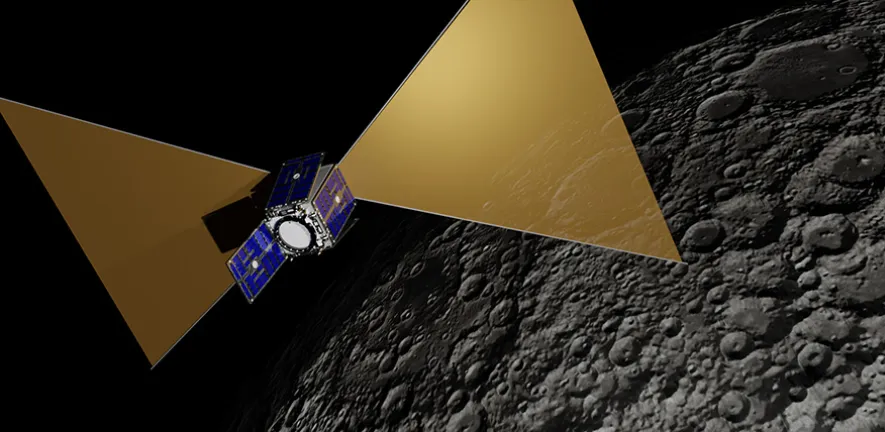
A tiny UK-developed satellite, roughly the size of a small carry-on suitcase, could help answer one of the biggest questions in cosmology: what happened in the roughly 150 million years of cosmic dark ages, before the universe’s first stars appeared?
Continue reading
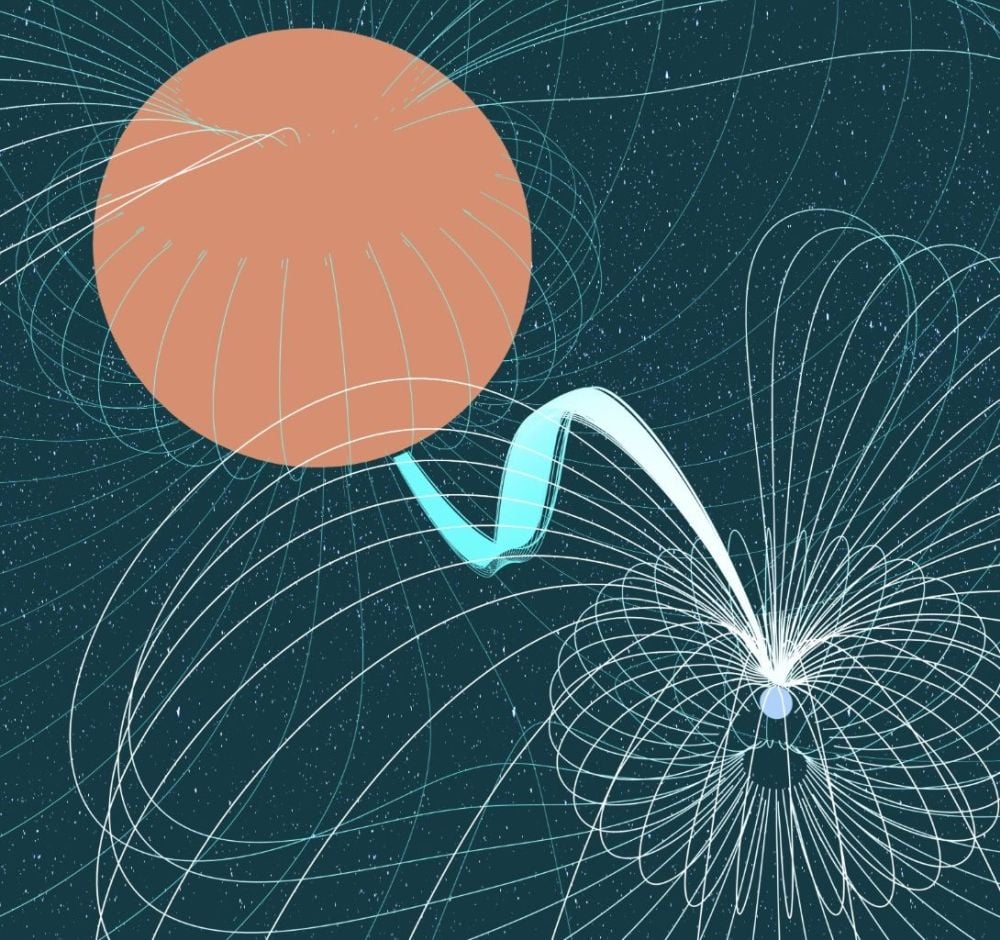
Long-period Radio Transients are sources that emit repeating radio and x-ray signals. The signals are polarized and coherent, and are similar to pulsars in some respects. But the type of astrophysical object responsible for them has been vigorously debated. New research says that at least one of them comes from a cataclysmic variable, a binary star where a white dwarf and a red dwarf orbit closely.
Continue reading
Astrobiologists use new starting points to produce ‘organic’ models of our solar system’s formation.
Continue reading
 Universe Today